Victoria Pendleton: Losing my twin brother made me face my deepest fear
 Sally Saunders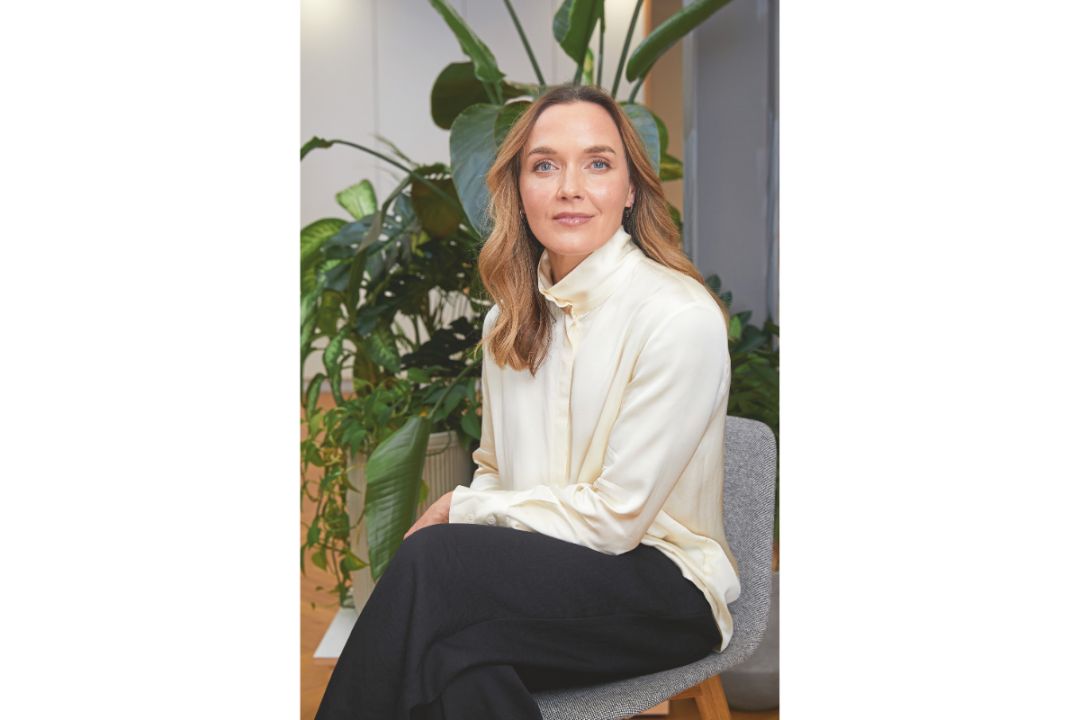
After the deaths of her twin brother and father, Olympian Victoria Pendleton found herself confronting mortality, grief and uncertainty in a new way. She explains why courage isn’t about being fearless – and how stepping towards discomfort can help us live more fully.
Victoria Pendleton spent much of her life learning how to face fear.
As an Olympic cyclist, she confronted it every time she raced. But nothing prepared her for the reality of losing the people she loved most.
In June 2023, her twin brother, Alex, died from a brain tumour. Little more than a year later, her father, Max, died from Parkinson’s disease.
“The fear of death was definitely one of the reasons I wanted to write this book,” says Pendleton, 45. The result is The Fear Opportunity, a book exploring how facing fear can help us grow.
Life and death and grief
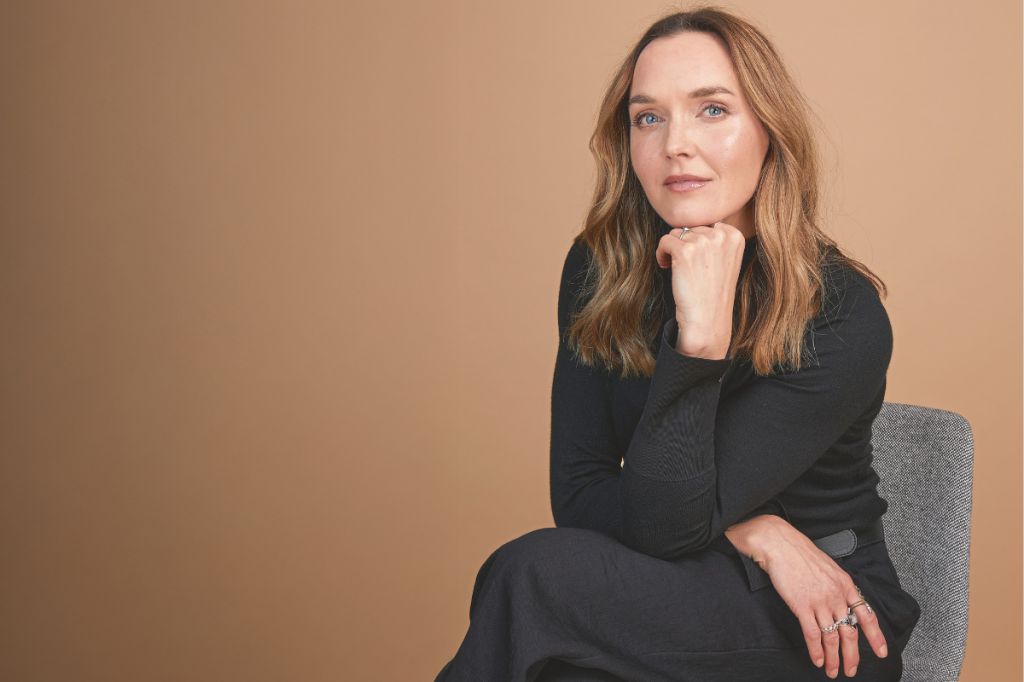
For someone who had shared almost every stage of life with her twin, Alex’s death left an absence that was impossible to ignore.
“I feel a lot of my fearlessness comes from being a twin,” she says. “It’s definitely a big part of what’s forged my personal choices and my personality, having someone beside me on nearly all of that journey.
“He was my greatest supporter and was always there for me.” Heartbreakingly, she says that his death left her feeling “less than half”.
In the months that followed, Pendleton says she began to understand fear differently. It wasn’t just something linked to performance or risk, but something woven into attachment, love and loss — and how tightly we hold on to the people who make us feel safe in the world.
That shift in perspective made her look back over her life with new clarity.
Not fear of failure — fear of its consequences
After a disappointing first Olympics in Athens in 2004, she was close to quitting cycling altogether. “It wasn’t losing that I feared – it was my perceived consequences of that failure and how others would feel about me if I did,” she says.
“That my value would be judged by my performance, and losing meant I was worthless and had let people down, even though that was not true.”
Working with psychiatrist Professor Steve Peters helped her challenge those beliefs. “He helped me understand the errors in my thinking and the incorrect belief systems I’d picked up.”
The shift helped pave the way for nine world titles and two Olympic gold medals.
“You don’t have to be born courageous. You don’t have to deserve it or earn it,” she says. “If you want to be courageous, choose to do it – commit yourself to it. I want everyone to have a piece of it.”
That doesn’t mean taking huge risks. More often, it starts with stepping outside your comfort zone in small ways. “That experience teaches you that you are more capable of trying new things than you thought,” she says.
The impact of being a twin
Growing up alongside her twin brother, Pendleton says she was encouraged to see herself as equally capable. “Our parents went to great lengths to instil a sense of equality between us,” she says.
Today, she sees courage less as the absence of fear, uncertainty or grief and more as continuing to engage with life despite them.
Writing the book became part of that process. “I needed to do something positive and move forward,” she says.
“The whole process was very cathartic. If the book is a total flop, I still got something very valuable out of it.”
Throughout, she found herself returning to the example her brother had set.
“My brother was really brave, he was an eternal optimist, and there’s no better way to face something than with optimism and open-mindedness,” she says.
“I’m very lucky for all the experiences I’ve had and I appreciate them more than ever. I know how short and precious life can be.”
Perhaps that is the greatest opportunity fear offers: not the chance to become fearless, but the reminder that life is precious enough to be lived fully anyway.
Five ways to find an opportunity in fear
- List what you might gain, not just what you fear losing. This shifts your focus from threat to possibility.
- Name the fear – but question the story. Ask what it is you are afraid of, before assessing how likely that is to happen.
- Practice failing on purpose. Try something low stakes you’re not good at and do it with humour, to prove failure is survivable and sometimes joyful.
- Deliberately seek out small unknowns. This could be a new route home or talking to a stranger, which builds your muscle for navigating life’s unknowns with curiosity.
- Call new experiences ‘adventures’. It’s not speed-dating, it’s an ‘adventure in love’. Because the ups and downs are a necessary part of the experience.
The Fear Opportunity: How Feeling Your Fear Builds Strength and Confidence (Bluebird, £16.99) is out now. Victoria Pendleton is an ambassador for Great Ormond Street Hospital.
Words: Alex Lloyd, Images: Lorna Roach