The clock change means we lose an hour in bed — and sleep anxiety makes it even harder
By  Psychologies
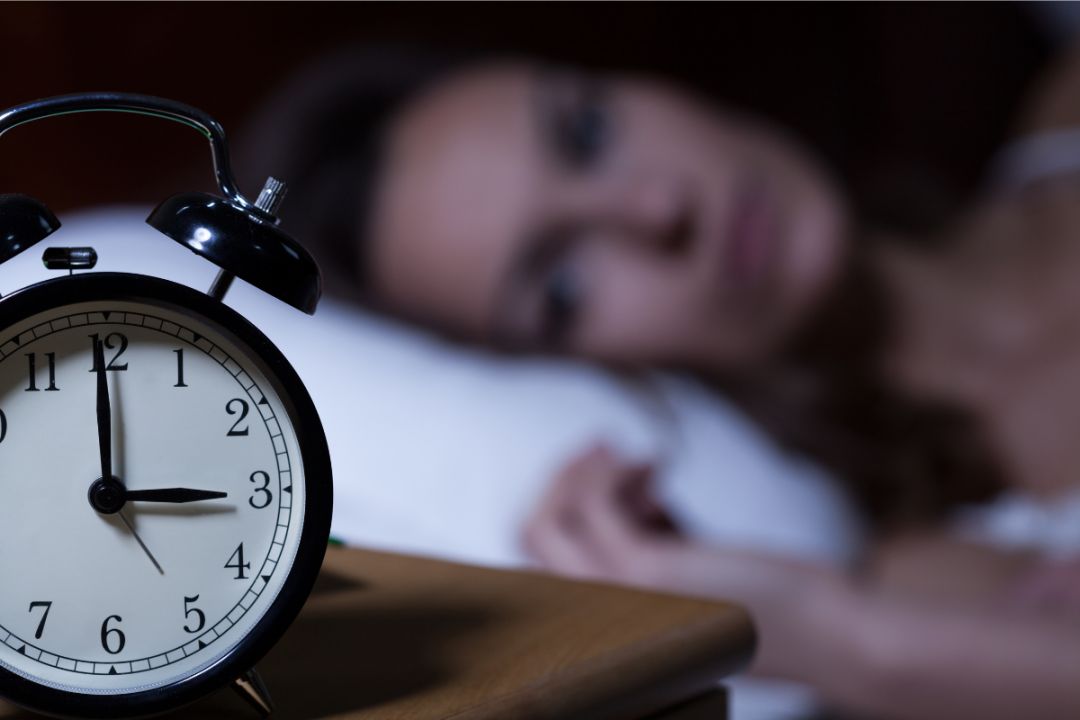
The clocks going forward could cost you more than just one hour of sleep, as sleep anxiety and racing thoughts can make it feel even worse. Psychotherapist Laura Payne shares expert tips and nighttime routines to help you rest better despite the change.
With most of us relying on digital devices to tell us the time the clock change is less of a feature to be remembered now, but that doesn’t mean it doesn’t affect us. For most, it’s a minor inconvenience, but if you struggle with anxiety, the lost hour can feel like a double whammy. Anxiety and sleep have a complicated relationship: the very thing that exhausts us during the day can keep us awake at night.
Anxiety doesn’t just live in your head — it lives in your body. It can feel frenetic, chaotic, like your breath is being snatched from you. Your mind flits between mental tabs, from genuine concerns to imagined catastrophes. Meanwhile, your chest tightens, your heart races, and your stomach knots. The fatigue that comes from anxiety would suggest that sleep should come easily — but often, the opposite happens.
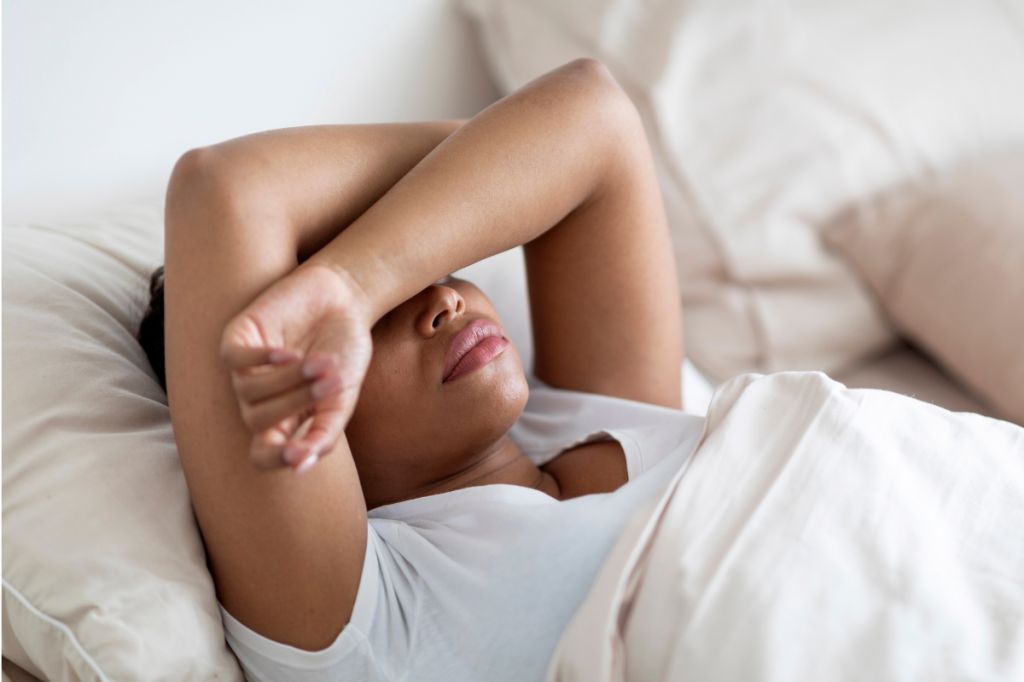
Why do we have sleep anxiety?
Psychotherapist and associate at The Dream Research Institute, Laura Payne, explains. “I call anxiety the ‘am I safe?’ button,” she says. “We all push this button as part of being human. We constantly assess our lives, from whether that car will pull out in front of us to whether our children are safe at school, or if our boss will be upset. Our brains are designed to stay alert.”
The result is a constant hum of stress running in the background, even when we think we’ve relaxed. This triggers hormonal surges of cortisol, adrenaline, and noradrenaline. “These survival hormones are essential if you’re hanging around on the savanna and a lion appears,” Payne says. “But for most of us, they accumulate during the day and make it hard to switch off at night. If there were lions, you wouldn’t want to fall asleep.”
These stress hormones don’t just make sleep elusive — they affect your overall health. “They disrupt digestion, diet, heart rate, blood pressure, your nervous system — your whole body,” Payne says. Chronic anxiety can be devastating for both health and sleep. The knock-on effects ripple through your life: mental fog, clumsiness, irritability, loss of confidence, and a creeping sense of despair. Days feel like a slog, and the joy in small moments can vanish.
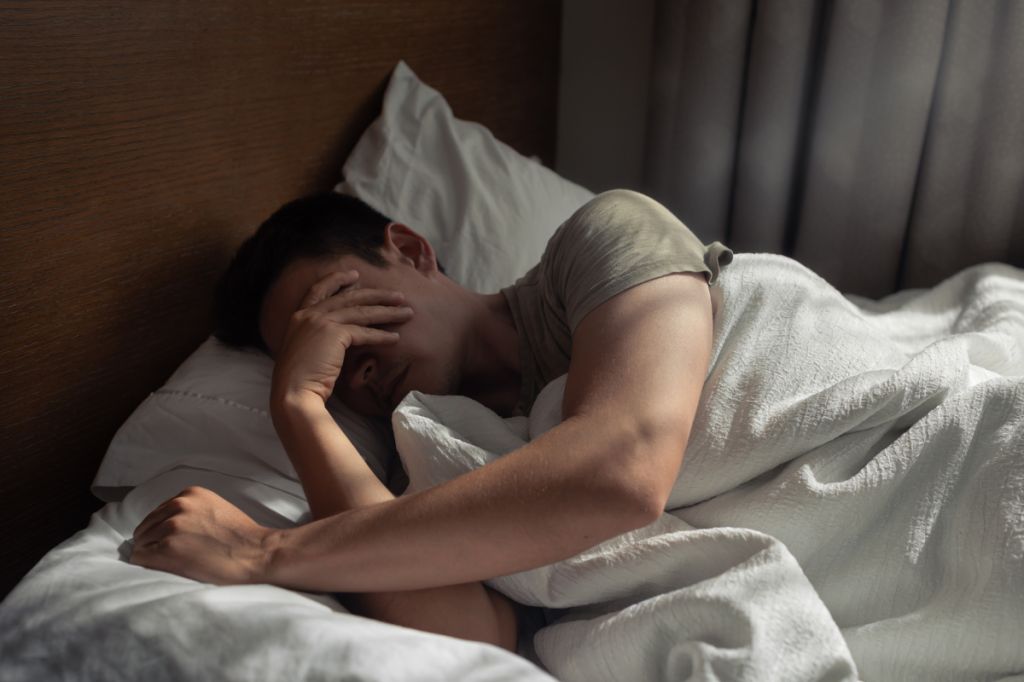
Struggling with annoying advice
It’s frustrating to hear the advice, “Just try not to worry.” Payne acknowledges that it’s not simple. “Obviously, it’s impossible to stop stressing entirely, but there are ways to improve mental health around the things that regularly make us anxious.” Her book, Nine Steps to a Mindful Life — Without Meditating, outlines practical strategies, from mindful breaks during the day to slowing down at key moments. Even taking a proper lunch break away from screens can help calm what scientists sometimes call a ‘pseudo-ADHD’ brain.
Seasonal changes make anxiety worse for many people. Winter’s shorter days mean less natural light, which can affect melatonin production. Melatonin is the chemical messenger that tells our bodies it’s time to rest and relax. “We need daylight to help regulate melatonin and serotonin, which combat depression from lack of light,” Payne explains. Melatonin also regulates blood pressure and oxidative stress, and while it’s available over the counter in some countries, in the UK it requires a prescription. Overuse can be harmful, so it should be carefully managed.
But the advent of spring doesn’t necessarily make it easier. Even besides losing an hour to the clock change, simple factors like increasingly light morning, noisy dawn choruses and rising temperatures can mean you wake earlier and struggle to get enough rest.
What does good sleep hygiene look like?
For those times when anxiety keeps sleep out of reach, Payne offers concrete strategies:
- Avoid tea or coffee after 6 pm.
- Limit alcohol, especially after 8 pm.
- Eat dinner early, preferably before 7 pm.
- Stop doom-scrolling at least an hour before bed.
- Don’t watch TV in bed — read a familiar book instead.
- Keep a regular bedtime and wake time.
- Try a warm bath with soft music, candles, or sleepy bath oils to relax your mind and body
If you wake in the night and can’t fall back asleep, try:
- Revisiting your last dream and stepping back into the story
- Counting forwards — or backwards from 1,000
- Playing the day’s “film” in reverse, gently letting stressful moments pass
Take action, don’t suffer in silence
Payne also encourages assessing the severity of your anxiety. Can self-help techniques like mindfulness or CBT exercises help? Would joining a meditation group offer weekly guidance and tools to use daily? For some, professional help may be necessary. “If your anxiety feels unmanageable, consult a counsellor, psychotherapist, or your GP,” she says. “The hardest step is picking up the phone, but once you do, congratulate yourself.”
The connection between sleep and mental health is not new. Shakespeare called sleep “the balm of hurt minds” and “the chief nourisher in life’s feast.” Even in the 17th century, he recognised the power of rest to soothe a troubled mind. Today, science confirms it: good sleep supports emotional regulation, cognitive function, and physical health.
As we set the clocks back and lose an hour of sleep, it’s worth being intentional about bedtime routines and anxiety management. Small changes — a consistent sleep schedule, mindful breaks, daylight exposure, and simple nighttime rituals — can make a big difference. Even amidst stress, our bodies and minds deserve rest. Sleep is not a luxury; it’s essential to maintaining balance, resilience, and joy.
By gently coaxing sleep back, we can begin to ease anxiety, one night at a time. And while losing an hour might feel frustrating, these practices can help ensure the rest we do get nourishes both body and mind.
Words: Yasmina Floyer, Images: Shutterstock