‘I can’t tell her how I feel’: It’s not your fault if you struggle to express emotions
By  Psychologies
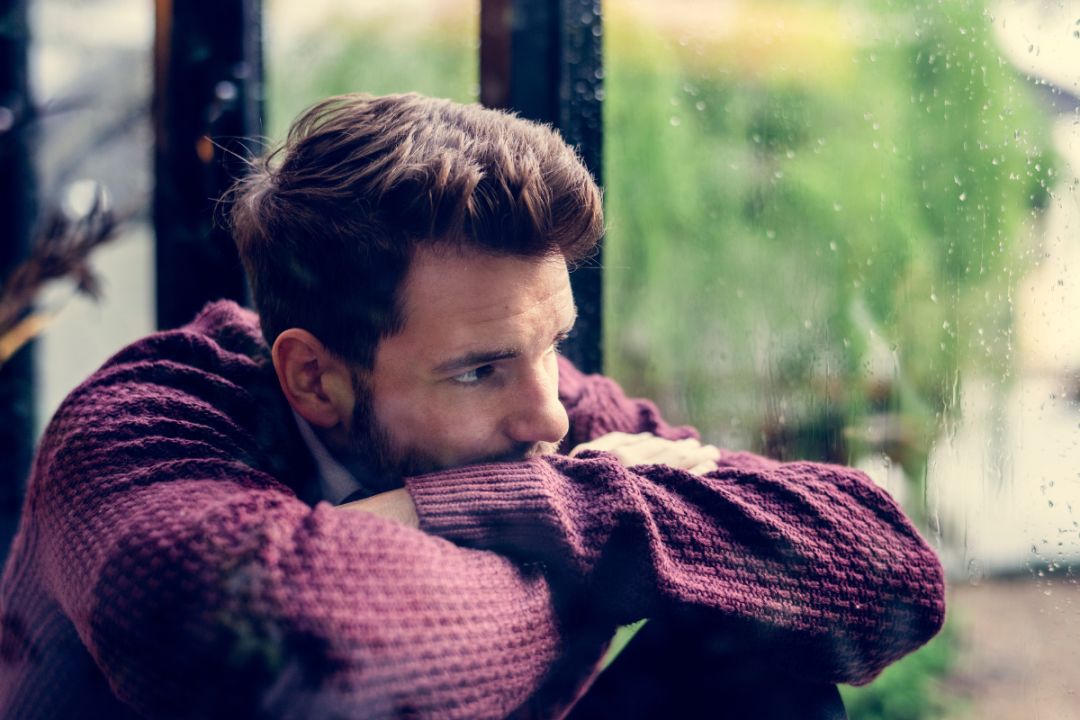
Often we aren’t emotionally disconnected because we lack depth. We feel unseen because no one ever taught us how to put our inner world into words.
If you struggle to express emotions you’re not alone — and you’re not emotionally deficient. As men, frequently we grow up learning that our value lies in what we do, not how we feel. As a result, emotional awareness, vulnerability, and open expression often go underdeveloped.
Instead of saying ‘I feel lonely’ or ‘I need reassurance,’ that sense of invisibility often shows up sideways — as irritation, withdrawal, numbness, or silence. It isn’t a lack of feeling. It’s a lack of language.
‘Feeling unseen often emerges indirectly,’ says James Eve, counsellor and member of Counselling Directory. ‘Rather than explicit emotional expression, it can come out as distance, irritation, numbness, or silence. What we repress, we always express — just not always consciously.’
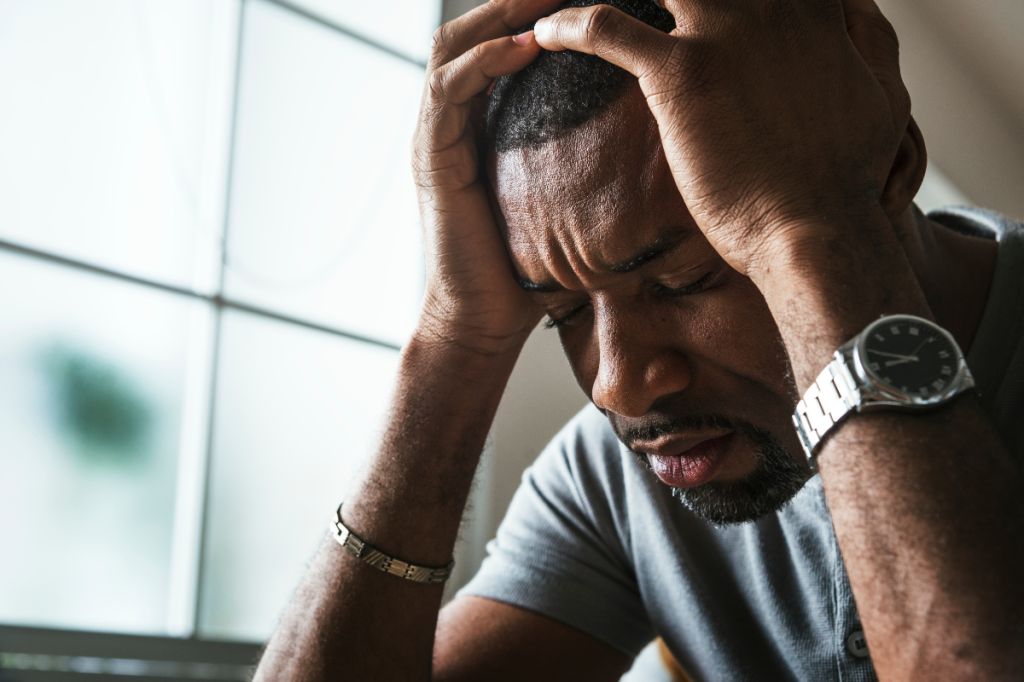
When worth becomes usefulness
From an early age, many boys learn that their value lies in what they do, not how they feel. Emotional presence is quietly replaced by problem-solving, fixing, and functioning.
‘As children, we learn through the modelling provided by caregivers,’ Eve explains. ‘From a young age, we’re encouraged to find answers and get rid of problems. We over-index on fixing — and then apply that same approach to emotions.’
In that framework, it becomes normal to struggle to express emotions. Feelings like sadness, vulnerability, or anger can start to seem unnecessary, even inconvenient. What’s the use of this feeling? becomes the unspoken question.
‘But emotions aren’t problems to be solved,’ Eve says. ‘They’re messengers to be listened to. When we actually feel our feelings, they can move through us rather than getting stuck.’

What emotional recognition actually looks like
Emotional recognition doesn’t require perfect insight or eloquence. Often, it begins with something simpler: telling the story. ‘We might talk about a dreadful day — missing the train, getting soaked in the rain, not getting the promotion,’ Eve says. ‘We don’t always need to know what we feel before we speak. Sometimes the feelings emerge as we talk.’
Being emotionally recognised means having that experience met without interruption, correction, or advice. ‘It’s when someone can stay with your experience without trying to change it,’ he explains. ‘I use the analogy of welcoming guests into your home. You let sadness sit on the sofa. You don’t treat it as a problem to fix.’ Feelings, he adds, are natural — like the weather. ‘It needs to rain sometimes.’
When emotions speak through behaviour
When you struggle to express emotions those unacknowledged feelings don’t disappear. They simply find other ways to surface. ‘We might act out, develop psychosomatic symptoms, or feel constantly exhausted,’ Eve says. ‘What we repress, we always express — often unconsciously.’
In therapy, this can be subtle. Someone may feel angry about being there — even toward the therapist — but instead of naming it, they arrive late, cancel sessions, or avoid paying. The emotion is present, but communicated through behaviour. In relationships, this often shows up as emotional distance, irritability, or quiet withdrawal — patterns that confuse partners and deepen disconnection.

Why shutting down can feel safer
If you’ve never been emotionally seen, asking for recognition can feel risky. ‘Who wants to feel vulnerable or face painful emotions?’ Eve says. ‘Avoidance can be a necessary coping strategy.’
For many of us, the fear isn’t just of exposure — it’s of rejection. ‘We may never have been truly seen, so we fear disappointing others,’ he explains. ‘What feels safe isn’t always what leads to growth.’ Sometimes, safety keeps us stuck.
The quiet cost of emotional neglect
Over time, emotional neglect — including self-neglect — drains vitality from relationships. ‘The emotional world needs tending, like any other part of life,’ Eve says. ‘To ignore it is to cut off a powerful life force.’
The effects can be subtle but profound: numbness, depression, withdrawal, or acting out. Often, relational patterns mirror internal ones. ‘If we withdraw from our emotions, we tend to withdraw from our relationships,’ he explains. ‘Many men simply didn’t see emotional care modelled growing up — so they have to learn it later.’
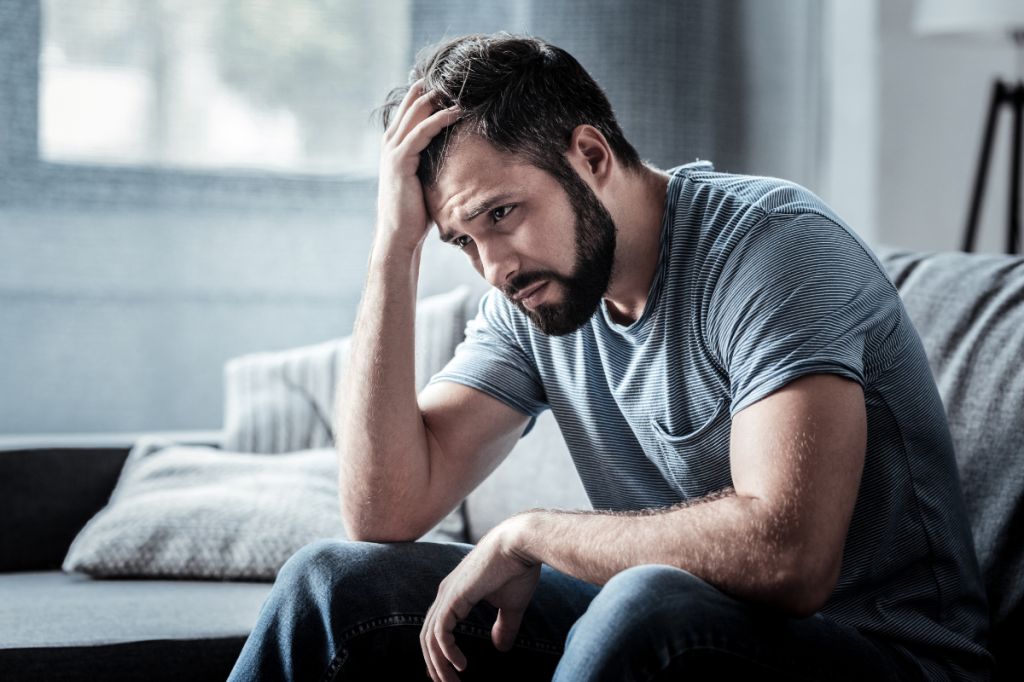
What changes when men are met, not fixed
When we are acknowledged without being analysed or improved, something shifts. ‘There’s space to feel vulnerable and held,’ Eve says. ‘To be met where you are — not where you should be — is deeply powerful.’
It allows authenticity. ‘What changes is the ability to stop performing a role,’ he explains. ‘Pretending to be someone you’re not is exhausting and profoundly lonely.’
If you’re prone to self-judgement, emotional awareness needs kindness, not criticism. ‘It can help to treat yourself like a close friend — or the child within you,’ Eve suggests. ‘Someone you have a duty of care for.’ That shift, from judgement to care, often opens the door to emotional honesty.

When numbness masquerades as control
Emotional numbness is often mistaken for strength, when it’s more commonly a sign of overwhelm. Unidentified feelings can surface physically and relationally: insomnia, irritability, depression, lapses in self-care, or nervous system dysregulation. ‘When stress isn’t named, it finds another outlet,’ Eve says. ‘How we speak to those closest to us usually changes first.’
Learning to name emotions doesn’t always make life easier at first. ‘It can even create more conflict initially,’ he says. ‘Relationships sometimes adapt around someone not expressing themselves.’ But over time, the reward is deeper connection. ‘Authenticity leads to closeness,’ he explains. ‘Even when it’s uncomfortable.’
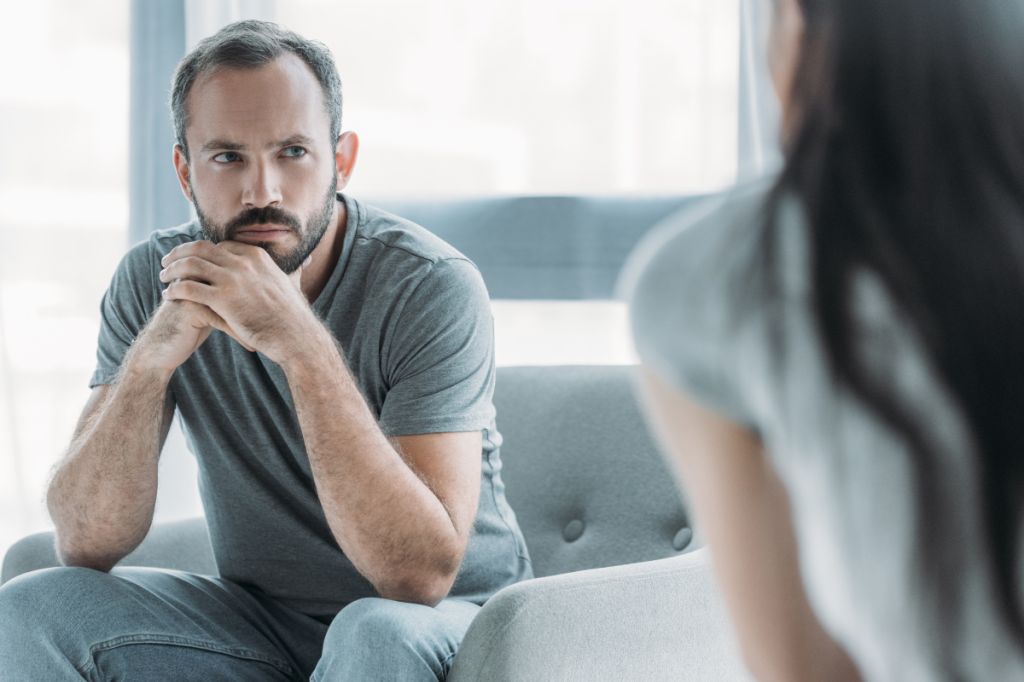
Emotional awareness is courage
Emotional awareness isn’t weakness. It’s bravery. ‘It’s exposure,’ Eve says. ‘It takes courage to say, “I feel sad,” or “I feel depressed,” and to recognise that these feelings are part of being human.’ That recognition, he believes, is where real strength lives. ‘You’re part of the human race,’ he says. ‘Feelings come with it. There’s no instruction manual — but with awareness, we can start to write one.’
Meet the Expert James Eve is a psychosexual and couples therapist who specialises in working with individuals who want to understand themselves better and couples looking to improve their relationship dynamics.