How to stop comfort eating — without giving up comfort food
 Sally Saunders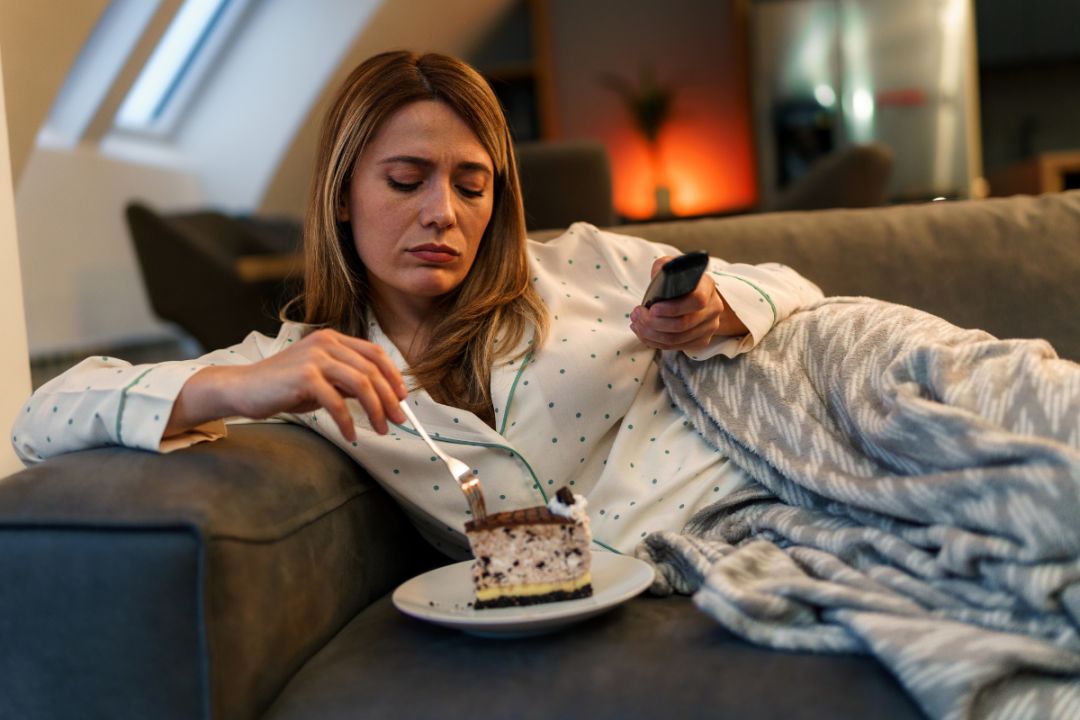
If stress, boredom or difficult emotions send you straight to the kitchen, the answer may not be more willpower. It may be having more ways to cope.
Comfort eating is often described as a bad habit that needs to be broken. But if you regularly eat when you’re stressed, bored, lonely or overwhelmed, simply telling yourself to stop may miss the point. A more useful question is: What is the food doing for you?
“Food might be offering you something valuable – comfort, pleasure, joy, safety, or a sense of connection,” says nutritionist Laura Thomas.
You might be looking for a reward after a difficult day, something to relieve boredom, or a few minutes when you don’t have to think about whatever is bothering you.
Once you understand what you’re looking for, you can start building other ways to meet that need.
Build a bigger coping toolkit
One reason banning comfort foods can backfire is that it removes a familiar coping strategy without replacing it. Thomas describes a hypothetical toolkit containing “Victoria Sponge, crisps, and biscuits”.
“If you haven’t developed alternative tools or skills to get through life’s difficulties, and someone tells you that you must remove those foods. What are you left with?”
The point isn’t that food should never be used for comfort. It’s that food doesn’t have to be your only coping strategy.
If eating is currently one of the most reliable ways you have to feel better, taking it away won’t make the underlying stress or emotion disappear.

Adding options rather than banning foods
Thomas recommends developing non-food ways of coping alongside the foods you already enjoy. “It’s about broadening the range of options available to you,” she says. “That might mean going for a walk, calling a friend, meditating, taking some time alone or, where appropriate, talking to a therapist.”
The best option depends on what you actually need. If you’re lonely, a conversation might help. If you’re overwhelmed, getting outside could provide some breathing space. If you’re exhausted, sleep or rest may be more useful than another snack.
And sometimes the thing you need really is food. Thomas suggests we “integrate food as one of several resources”.
The goal is not to become so disciplined that you never eat for emotional reasons. It’s to make food one choice among several, rather than the automatic response to every difficult feeling.
Pause before you eat
You can also try creating a small gap between the feeling and the behaviour. When you notice yourself reaching for food, ask: What am I feeling, and what do I need right now?
You may discover that you’re hungry. You may realise you’re looking for comfort. You may even notice that you’re putting off a task you don’t want to face. And you can still decide to eat.
The benefit of the pause isn’t to stop yourself. It’s to become more aware of what’s driving the craving, which can make it easier to choose differently when you genuinely want to.
Don’t turn comfort eating into another rule
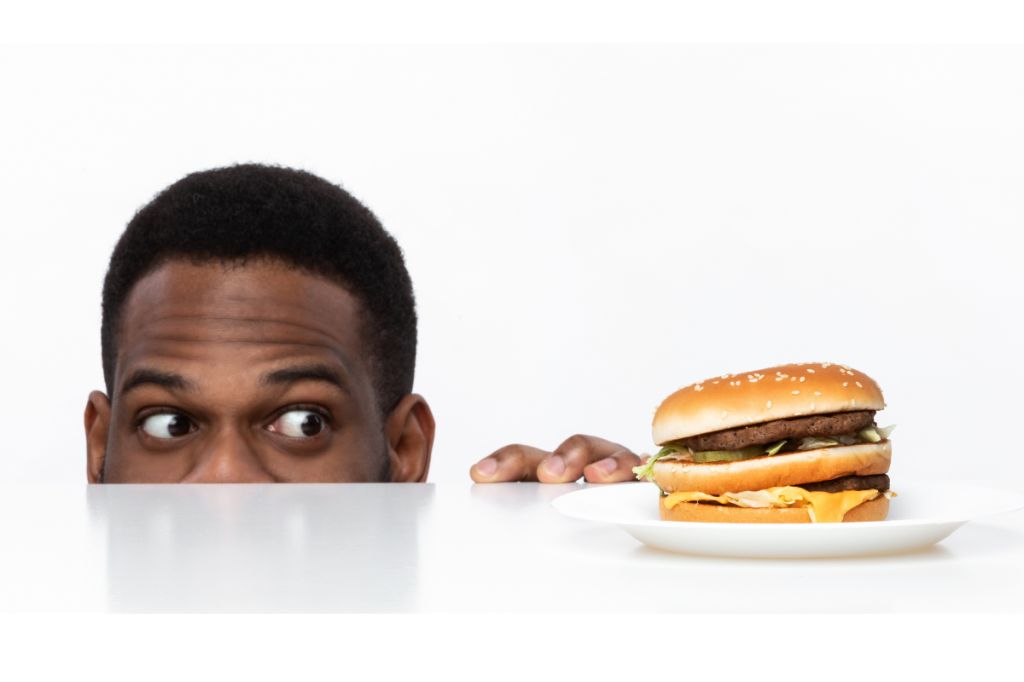
There is a risk that trying to change emotional eating simply creates another set of rules around food.
If chocolate becomes something you’re “not allowed” to eat when you’re upset, you may end up thinking about chocolate even more.
A more neutral approach is to give yourself permission to eat while also giving yourself permission to pause.
Sometimes the answer will be chocolate. Sometimes it will be a walk, a conversation, sleep or simply some time alone.
None of those choices needs to be a moral decision.
Treat cravings as information
Perhaps the biggest shift is to stop viewing comfort eating as a failure of willpower. Thomas sees it as information.
“Comfort eating is a useful response,” she says. “It’s communicating that you have an emotional need that requires soothing.”
That doesn’t mean every eating habit is helpful, or that you shouldn’t seek support if your relationship with food is causing significant distress. But for everyday emotional eating, curiosity may be more useful than criticism.
“There is nothing to feel guilt and shame about,” says Thomas.
You don’t have to give up comfort food to change your relationship with it. You don’t have to diet, count calories or rely on willpower.
Instead, you can ask yourself what food is providing, look for other ways to meet those needs, and gradually give yourself more choices.
The goal isn’t to take comfort away. It’s to make sure food isn’t the only place you know how to find it.
Words: Lucy Rawlinson, Images: Shutterstock