Why men shut down their emotions — and how their relationships pay the price
By  Psychologies
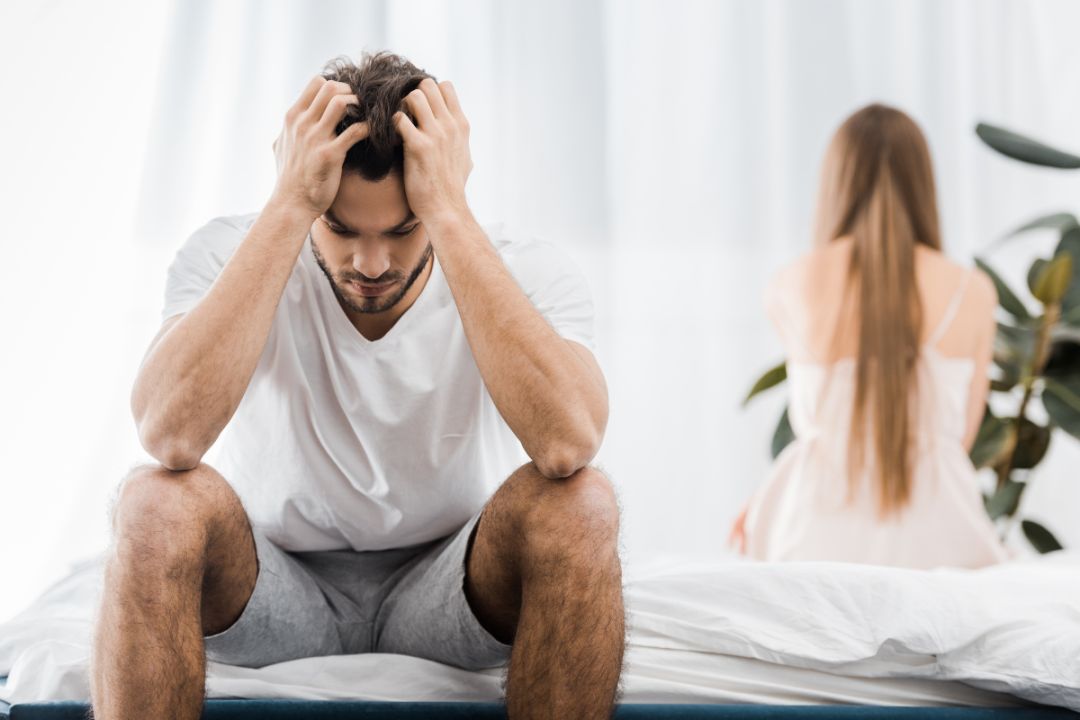
Emotional suppression in men often shows up as stress, irritability and distance — reshaping connection long before anyone even realises
When emotions aren’t recognised, they don’t disappear. They leak. Unprocessed stress and emotional overload quietly spill into relationships, shaping their tone, closeness and communication — and not for the better. You might think you’re being calm, rational or emotionally controlled. But to your partner, you’re probably distant, irritable or emotionally unavailable.
According to Counselling Directory member Dr Rob O’Flaherty, this disconnect is rarely about lack of care. The problem is, it’s simply a skill many men have never learnt. ‘Many men learn from a young age that emotions are “bad”, “weak” or “feminine”,’ Dr O’Flaherty explains. ‘They come to believe the best way to deal with feelings is to shut them off.’
Emotional suppression in men: when numbness feels like control
Rather than processing emotions, many men manage them through distraction, denial or avoidance. It might look positive initially, like a real focus on work. Over time, this emotional suppression can lead to numbness — a state often mistaken for emotional control. ‘That numbness can convince men they’re in control of their emotions,’ says Dr O’Flaherty. ‘But the emotions haven’t gone away — they’re buried. And what’s buried eventually comes out.’
In cultures that reward stoicism and productivity, emotional suppression in men is often reinforced rather than questioned. The cost, however, frequently appears in intimate relationships.
How unprocessed emotions show up in relationships
Unprocessed emotions rarely stay internal. Instead, they tend to surface physically or behaviourally. ‘They may show up as poor sleep, difficulty concentrating, or sexual difficulties,’ Dr O’Flaherty says. ‘Men don’t always connect these symptoms to emotional stress, but they’re often linked.’
Behavioural signs are just as common. Some men turn to alcohol, pornography or drugs. Others overwork or train compulsively as a way of avoiding uncomfortable internal states. ‘Irritability is a major signal,’ Dr O’Flaherty notes. ‘Men may snap more easily at their partner or children, or withdraw emotionally and socially.’ To the man, life simply feels more stressful. To their partner, it feels like emotional distance has arrived without explanation.

When emotional discomfort breaks through, many men experience it as something to fix rather than something to understand. ‘This goes back to the messages men receive about what emotions say about them,’ says Dr O’Flaherty. As a result, men may try to change external circumstances — working harder, avoiding home, blaming relationship dynamics — without recognising the emotional driver underneath. This pattern is common in men who shut down emotionally and struggle with emotional availability.
Emotional distance and the slow erosion of intimacy
Emotional suppression requires energy. That energy is then unavailable for connection. ‘When men are busy suppressing how they feel, it’s much harder for them to be emotionally present,’ Dr O’Flaherty explains. ‘Their internal resources are tied up.’ Over time, warmth drains from everyday interactions. Conversations become practical rather than connective. Physical and emotional intimacy fade — even when love and commitment remain. This is how emotional distance in relationships often develops quietly, without a single dramatic rupture.
Many men struggle to understand why they feel unavailable in their relationships. When emotions are denied altogether, the link between internal overload and external withdrawal isn’t obvious. ‘If men don’t see emotions as part of the picture, they don’t recognise what’s driving their behaviour,’ says Dr O’Flaherty. ‘If they’re working hard to escape how they feel, they simply have less to give.’ This creates a painful loop: the relationship feels demanding, so the man withdraws further — reinforcing stress, misunderstanding and resentment on both sides.
Learning emotional awareness: naming the internal weather
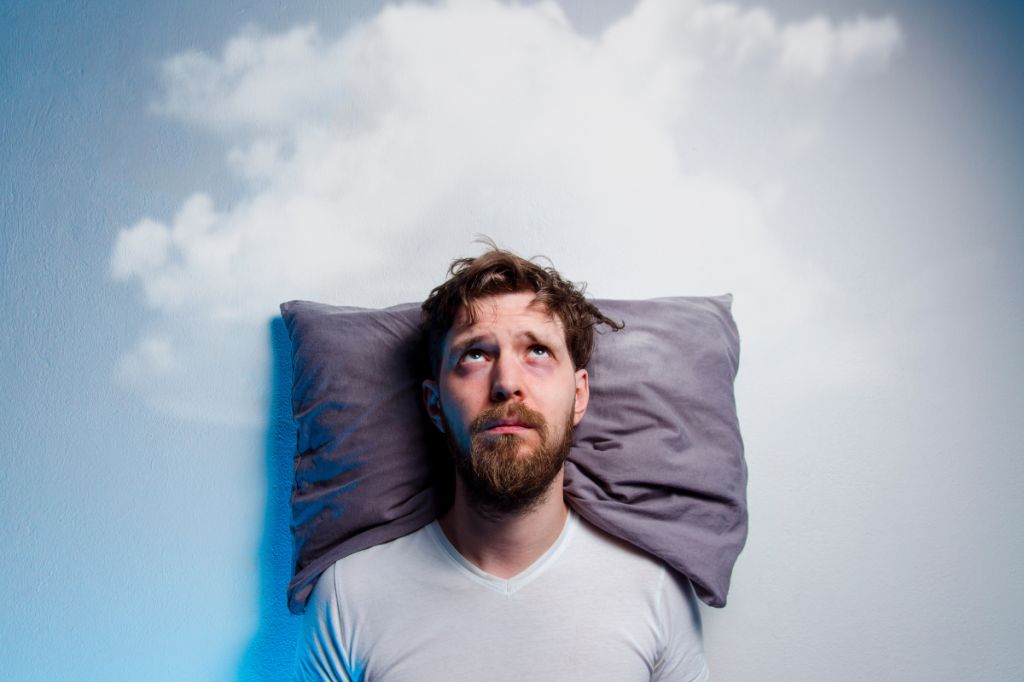
Change begins when men learn emotional awareness — the ability to notice and name what’s happening internally rather than acting it out. Dr O’Flaherty describes this as learning to recognise one’s ‘internal weather’. ‘When men can name their internal weather, they gain clarity,’ he explains. ‘They may realise certain reactions are being triggered by past experiences they’ve never processed.’
This awareness can also highlight present-day issues such as unmet needs, misaligned values or unhealthy patterns — all essential for emotional regulation and relationship repair. ‘When men understand what fuel is driving them, they can become the driver again rather than the passenger,’ he says.
Why emotional awareness strengthens relationships
One of the most persistent myths is that emotional awareness makes men weak. Dr O’Flaherty strongly challenges this idea. ‘Having emotions is a normal human experience,’ he says. ‘A man who denies his emotions is denying his humanity.’ Even anger — often feared or suppressed — carries information. ‘Anger can signal crossed boundaries, dismissal or injustice,’ he explains. ‘With emotional awareness, men can respond through communication and boundary-setting rather than avoidance or numbing.’

When men learn to recognise and name their emotions, relationships often become safer and more connected. Partners feel less blamed and less shut out. Men experience reduced internal pressure and greater agency — not through suppression, but through understanding.
Men’s emotional health doesn’t improve relationships by changing who men are. It improves them by allowing men to be emotionally present — often for the first time.
Meet the Expert Counselling Directory member Dr Rob O’Flaherty is a chartered clinical psychologist and EMDR therapist with over 15 years NHS experience of working in mental health. He works with men to help them gain a better understanding of themselves, improve their lives and become the men they want to be.