America is divided on whether you’re Team Messi or Team Ronaldo. Psychologists say your choice reveals more than you think
 Sally Saunders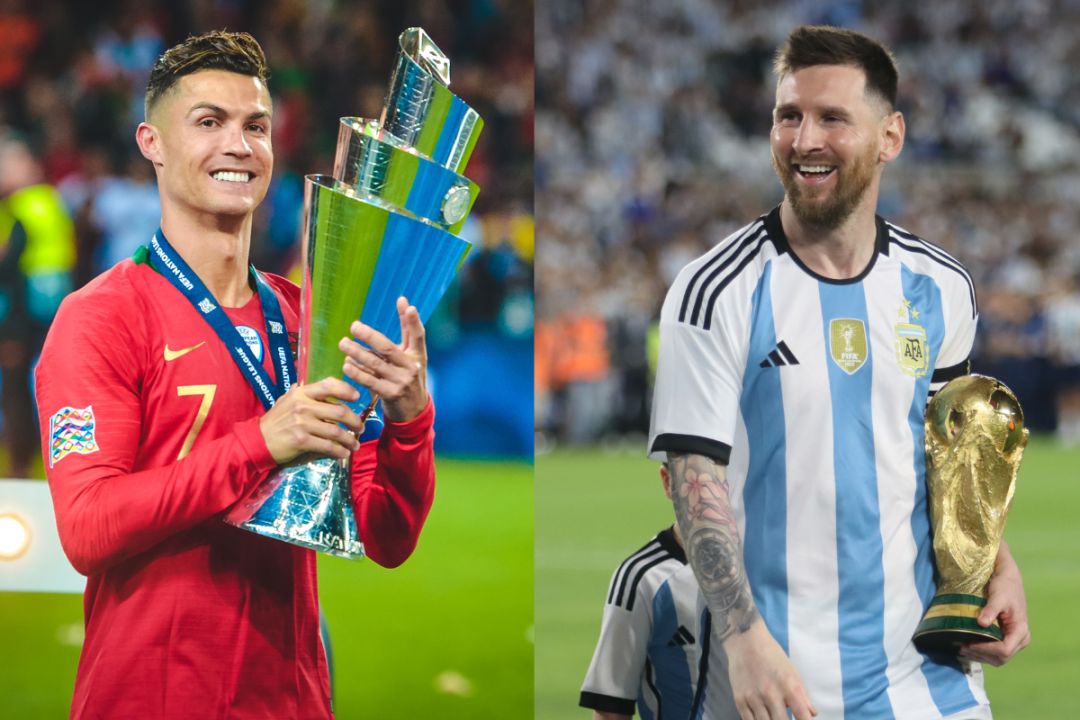
New research suggests America’s favourite player may be influenced by more than just goals and trophies. From political beliefs to self-esteem, psychologists say the star you support could reveal surprising insights about your identity.
With Lionel Messi and Cristiano Ronaldo both in action this weekend, a familiar debate is once again lighting up social media feeds, sports bars and family group chats across America. Who is the GOAT?
For nearly two decades, football fans have argued over the merits of two of the sport’s defining figures. Messi, the quiet genius. Ronaldo, the relentless perfectionist. Between them, they have won multiple World Cups, Champions Leagues, Ballons d’Or and the admiration of hundreds of millions of fans. But according to new research, the question of who you support may reveal more than your sporting taste.
An international study of more than 10,000 people across 26 countries found that Ronaldo is favoured in more countries, but Americans are more likely to favour Messi than Ronaldo. Even more surprisingly, researchers discovered that political beliefs, self-esteem and even social media habits were linked to which superstar people preferred.
For fans preparing to watch the two icons this week, the findings raise an intriguing possibility: your answer to the Messi-versus-Ronaldo debate may say something about who you are and what you actually believe.
America’s Messi era
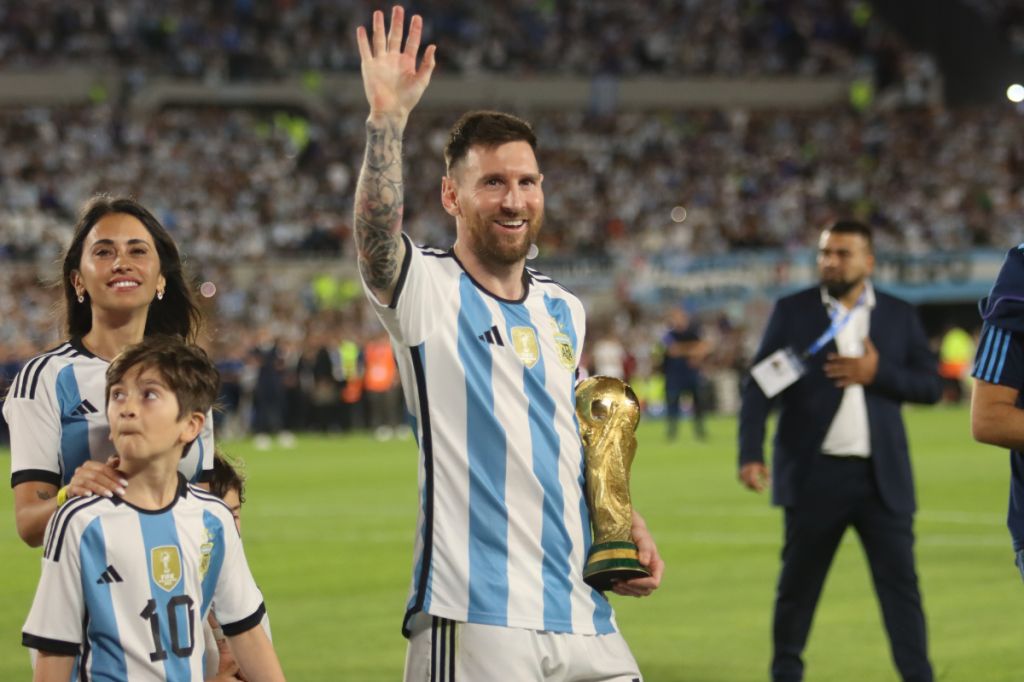
It wasn’t always obvious that the United States would become Messi territory. For years, the Argentine’s brilliance was something many American fans admired from a distance. Then, in the summer of 2023, everything changed.
When Messi signed for Inter Miami, the move became one of the biggest moments in American soccer history. His arrival sparked what fans quickly dubbed “Messimania”. Stadiums sold out. Ticket prices soared. His pink No. 10 shirt became one of the best-selling jerseys in world football. Suddenly, one of the sport’s greatest-ever players was competing week after week on American soil. Major League Soccer saw unprecedented international attention, celebrity-packed crowds became commonplace, and league executives openly spoke about a “before Messi” and “after Messi” era.
That visibility matters. Psychologists have long known that familiarity influences preference. The people we encounter most often feel more relevant, relatable and emotionally significant. For many Americans, Messi is no longer simply an international superstar. He is part of the country’s sporting landscape. That may help explain why the new study found Americans leaning towards Messi over Ronaldo. Yet researchers believe something deeper is happening too.
Two very different versions of success
On paper, Messi and Ronaldo have spent almost two decades competing for the same prizes. Off the pitch, however, they represent strikingly different ideas of greatness.
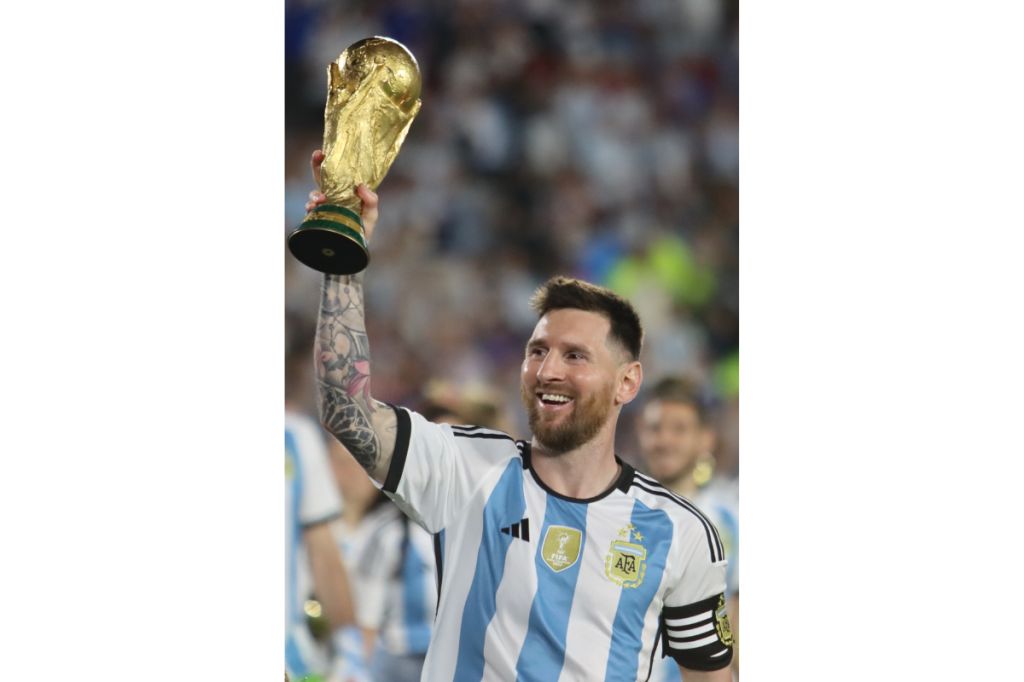
Messi’s public image is built around quiet excellence. Despite being one of the most decorated athletes in history, he is often perceived as humble, reserved and team-focused. He rarely courts controversy, gives relatively few headline-grabbing interviews and has cultivated a reputation for letting his performances do the talking.
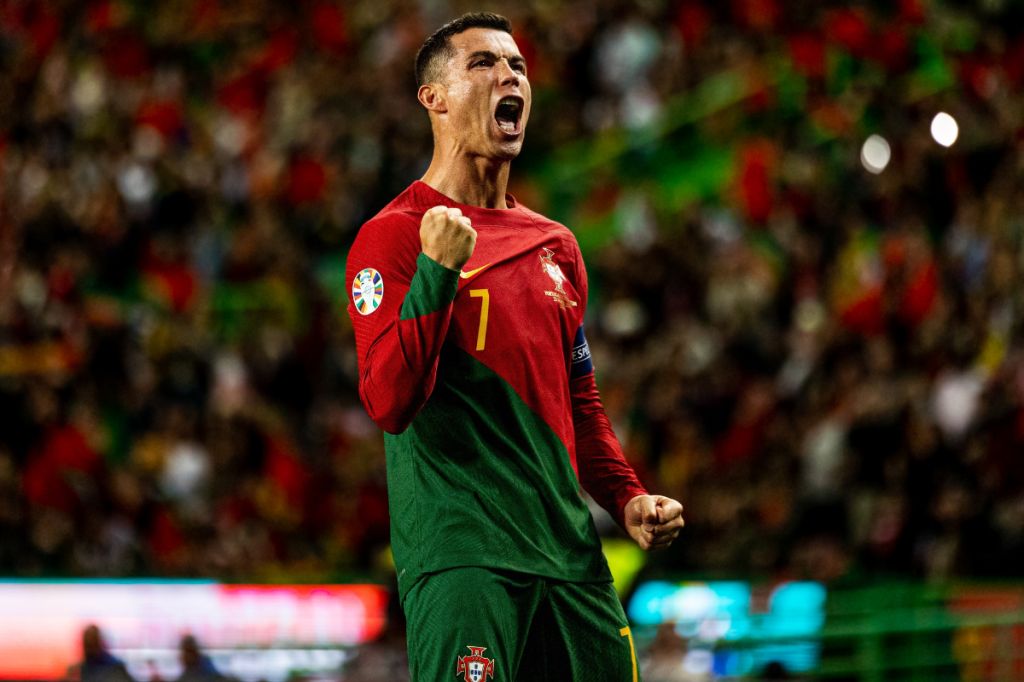
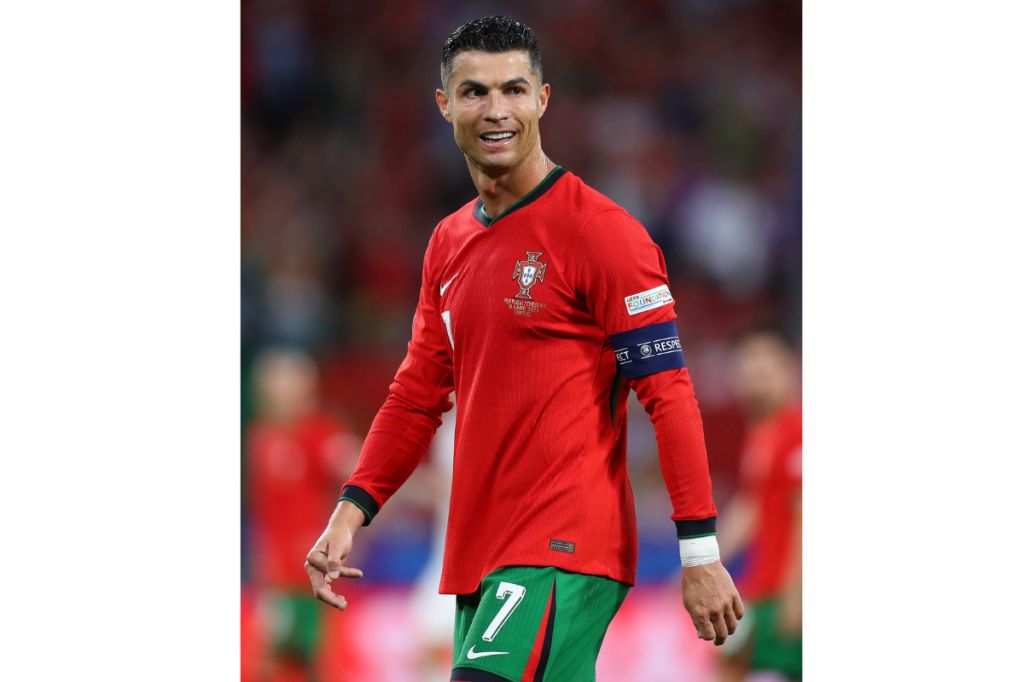
Ronaldo projects something very different. His personal brand centres on ambition, confidence and relentless self-belief. His social media presence showcases intense training regimes, luxury lifestyles and a constant pursuit of improvement. Success, in the Ronaldo universe, is something to be celebrated loudly.
“Messi and Ronaldo project markedly different public personas,” says Associate Professor Saifuddin Ahmed of Nanyang Technological University Singapore, who led the research. “Messi is commonly associated with a quieter, team-oriented image, while Ronaldo is known for openly expressing his ambition and celebrating individual achievement.”
He believes people may be instinctively drawn to the player whose public image reflects their own values. “People may be more drawn to the player whose public image aligns with their broader values,” he says. In other words, choosing a favourite player may be less about statistics and more about identity.
The politics inside a football rivalry
Among the study’s most surprising findings was a link between political ideology and favourite player. Researchers found that respondents who identified as more liberal tended to favour Messi, while those who identified as more conservative were more likely to support Ronaldo.
The finding does not mean football fandom predicts political affiliation. Plenty of conservatives adore Messi and countless liberals admire Ronaldo. The relationship was far from absolute. Yet psychologists say it reflects a broader cultural trend.
Increasingly, political identity shapes areas of life that appear unrelated to politics. Research has shown that our political outlook can influence everything from the brands we buy and the entertainment we consume to the celebrities we admire.
Ahmed believes the significance of the findings extends beyond football itself. “They offer a starting point for examining how political identity may increasingly intersect with popular culture and everyday choices in different societies,” he says.
Confidence, self-esteem and the Ronaldo effect
The study also found that people with higher self-esteem were more likely to say Ronaldo was their favourite player . At first glance, that might seem counterintuitive.
We assume that modest public figures are universally more appealing. Yet psychologists have long argued that people are often attracted to aspirational role models—individuals who embody traits they already possess or hope to develop.
“People may want to present themselves as modest, but that does not mean they identify most strongly with modest public figures,” Ahmed says. “Those with higher self-esteem may instead gravitate towards someone who embodies excellence, confidence and achievement —qualities they may see reflected in themselves.”
For people with strong self-belief, Ronaldo’s confidence may feel inspiring rather than boastful. His public persona reflects qualities such as ambition, achievement and self-assurance.
Messi appeals through a different route. His attraction lies in mastery without spectacle, greatness without constant self-promotion.