What stress really does to your mood: The neuroscience of emotions, stress and self-worth
By  Psychologies
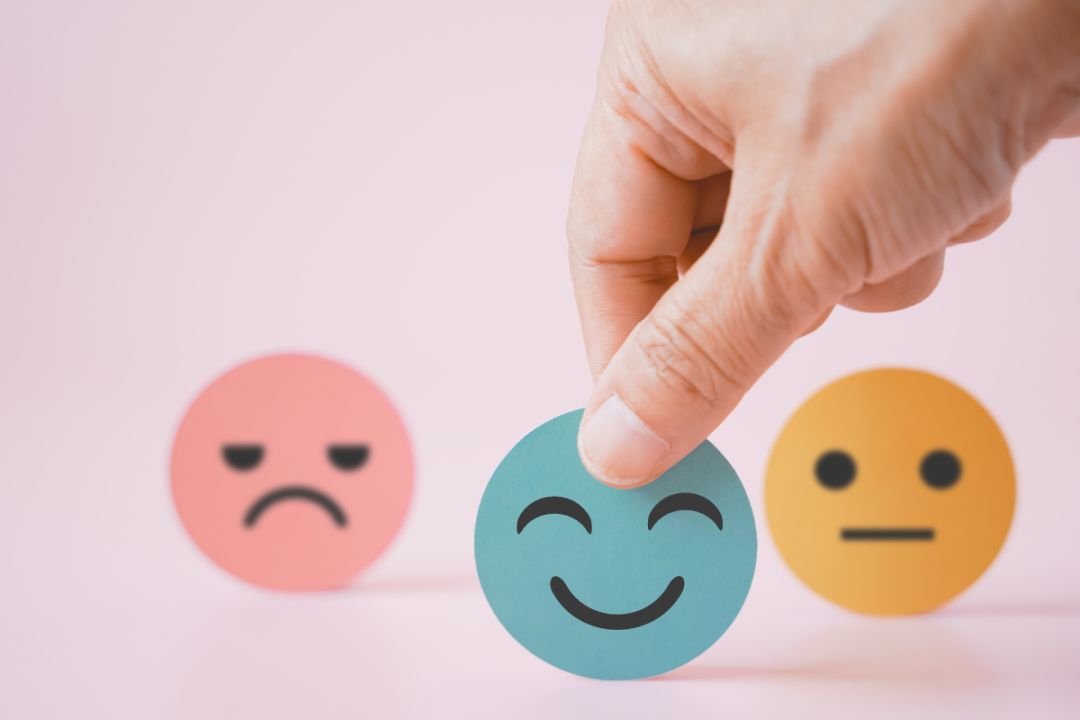
A bad mood doesn’t define you. Science shows it’s just a temporary state shaped by stress, sleep, and hormones — and understanding your brain’s response can help you break the cycle of negative thinking.
We all have days when we wake with a heaviness we can’t quite place, and before we have even opened the curtains that feeling begins to write a story about who we are. A flash of self-doubt, a haze of worry, a dip in energy, and suddenly your mind insists this is not simply a mood but a verdict, an instant conclusion about your worth or capability. It’s remarkable how quickly a passing emotional state can claim the whole day, shaping how you see your life, your relationships, and your capacity to cope.
As we enter Stress Awareness Month, a campaign marked every April in the UK and increasingly recognised worldwide, these moments offer an opportunity to pause and notice how closely stress and self-perception are intertwined.
Yet a mood is far less personal than it feels. It is not a moral assessment or a window into your character. It is a temporary shift in your internal conditions, shaped by sleep, sensory load, hormones, hunger, digital saturation, unresolved stress, and the cumulative pressures that Stress Awareness Month encourages us to pay attention to. A low mood can drift in like a change in the air, but that does not make it a permanent forecast. What you feel in these moments isn’t your identity. It is your brain and body responding to signals that arrived before rational thought had a chance to step in.

Why feelings turn into stories about who you are
Emotion begins deep in neural circuitry that evolved to protect you, not to judge you. Neuroscientist Joseph LeDoux has shown that the amygdala can react in as little as 12 milliseconds, long before you become consciously aware of anything at all. ‘Our feelings often occur because of thoughts that happen so quickly we are not even aware we have thought something,’ explains Dr Radha Modgil, an NHS GP, broadcaster and author of Know Your Own Power. When the prefrontal cortex — the part of the brain that helps you interpret and regulate these sensations — is depleted by poor sleep, over-stimulation, or unpredictability, nuance becomes hard to access.
In these moments, a temporary shift in chemistry can present itself as personal truth, and a fleeting sensation transforms into a story about who you are.
‘Humans are meaning-making beings,’ says Kate Hogan, an integrative therapist and coach,. ‘We tend to jump to a story or a judgement about how we feel, rather than just accepting the feeling as something that will eventually pass.’ When you feel low, your brain instinctively searches for an explanation. A fleeting sadness or disappointment can get interpreted not just as a mood, but as evidence we are flawed.
These interpretations often take root early in life. ‘People like to put us in boxes, and we are often labelled from a very young age,’ says Dr Modgil. Over time, we absorb these labels as beliefs, even when there is no real evidence for them. When a low mood later aligns with one of those early labels, it can feel confirming rather than coincidental and we start to see it as our character, rather than a passing state.

The biology behind stress and mood
Much of what shapes your emotional landscape has little to do with character at all. Even modest sleep loss can increase emotional reactivity by up to 60%. Fluctuations in blood sugar can feel indistinguishable from anxiety, while chronic pressure keeps the sympathetic nervous system on high alert, narrowing your tolerance for frustration and uncertainty. Hormonal rhythms also play a powerful role, shifting serotonin, dopamine, and cortisol in ways that influence how resilient or hopeful you feel.
‘Tiredness is a big one,’ says Dr Modgil. ‘When we haven’t had enough good-quality sleep, we are more vulnerable to our feelings taking over.’ Hunger, pressure, and hormonal shifts can compound this vulnerability.
Rather than leaping to conclusions about what a mood might mean, ongoing awareness helps. ‘Regularly checking in with yourself over the course of a day and noticing just how fluctuating our moods tend to be can really help,’ says Hogan. She suggests using the acronym HALT to check your state: are you Hungry, Angry, Lonely, or Tired? These states dramatically increase emotional sensitivity.

Breaking the cycle and building emotional stability
Once a mood takes hold, it is easy to believe it reflects truth — a phenomenon known as emotional realism. When your cognitive energy is low, you default to fast, instinctive interpretations. Under stress, working memory narrows, problems seem larger, options fewer, and relationships more strained.
A wave of emotion itself lasts about 90 seconds as the body processes the initial chemical response. What keeps the feeling alive is not the emotion, but what happens next in the mind — the story, the meaning, and the judgement.
To interrupt that cycle, grounding can help. ‘Listen to something around you, smell something, look at something.’ This brings you back into the present long enough to ask what you are feeling and whether it is true. Feelings have momentum, but they lose force when you slow them down.
When that momentum is not interrupted, it often spills into behaviour. You cancel plans, retreat from people, and assume you will be a burden, when connection is often what you need most. Beginning with nervous system regulation — through breathwork or self-touch — can soften the body’s alarm response and restore enough calm to widen perspective. These small interventions reflect the core message of Stress Awareness Month: that awareness creates choice, even in difficult emotional states.
Over time, this builds a steadier relationship with your emotions. Habits such as mindfulness, time outdoors, and small acts of self-care help you respond thoughtfully rather than react automatically. Compassion plays a central role: speaking to yourself with the same kindness you would offer someone you love.
Your moods make up a part of you, but are not your entirety. With that shift, they lose some of their authority. You can notice a feeling without immediately turning it into a judgement about who you are. Some mornings will still feel heavy, but they no longer define you.
Words: Kellie Gillespie Wright. Images: Shutterstock