The science of kindness: Why reaching out to a friend makes us both feel happier
By  Psychologies

In a world that often feels tense and divided, kindness may be one of the most powerful tools we have. Small acts of compassion can reduce stress, improve health and spread happiness far beyond the moment they happen.
Some days it can feel as though the world is running on tension. The news cycle moves fast, and is always scary, conversations online turn sharp, and many of us carry a quiet background stress as we move through our routines.
Yet sometimes the smallest moment interrupts that pattern — a stranger holding a door, a message from a friend checking in, someone taking a few seconds to say, “How are you, really?”
These moments are easy to overlook. But they have a remarkable power. They remind us that kindness still exists — and that even the smallest act can shift how we feel.
In fact, those small moments may be the start of something much bigger: a kindness revolution.
Because even the smallest acts of kindness don’t just shape our day-to-day interactions. They ripple outward into our communities and society as a whole.
Kindness is not simply a polite gesture or a sentimental extra. It is a deliberate choice to meet pressure with care and disconnection with warmth. Acts of kindness — big or small — can steady us, reconnect us and shift the emotional tone of our shared lives.
This is the essence of the kindness revolution: ordinary people choosing kindness again and again.
Why small acts matter
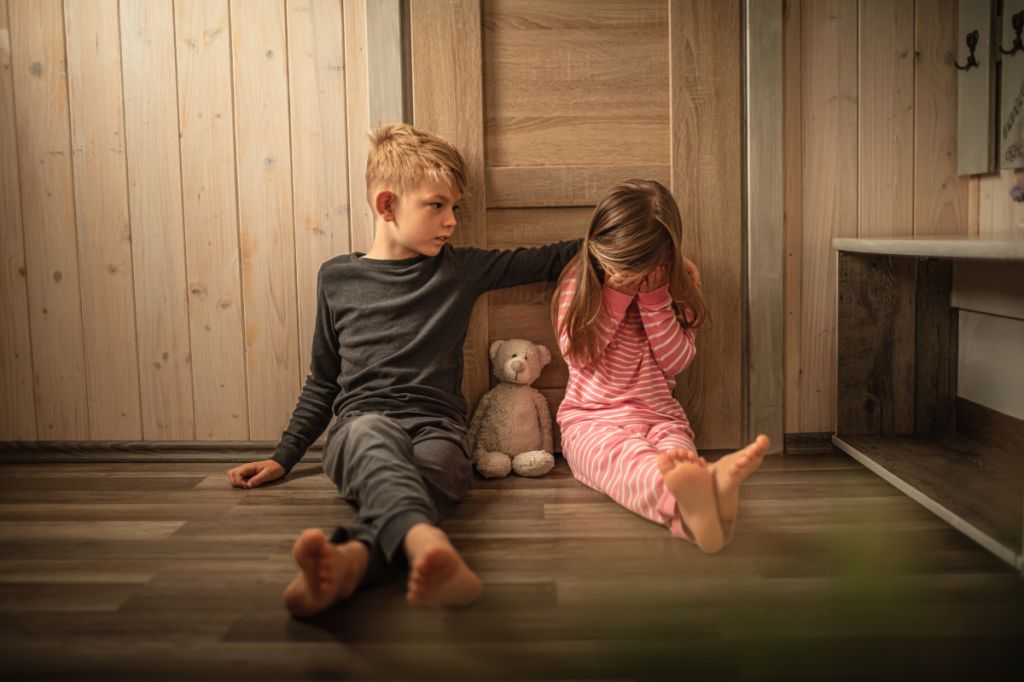
We often underestimate the power of simple gestures: a smile, a kind word or a listening ear. Yet these small moments can change how we feel and how safe the world seems, even briefly.
Author and international kindness expert Dr David R Hamilton has spent years studying the effects of kindness. For him, kindness isn’t an optional extra — it’s a natural counterbalance to stress.
“Kindness softens,” he says. “Kindness unites, lifts and soothes. It makes us feel that everything is going to be okay.”
Importantly, the most meaningful acts are often the smallest. “Small everyday acts matter because these are the things we do most often,” he explains.
A quick message of encouragement, checking in on someone or offering help might seem minor. But repeated over time, these small acts strengthen relationships and communities.
The science of kindness and happiness
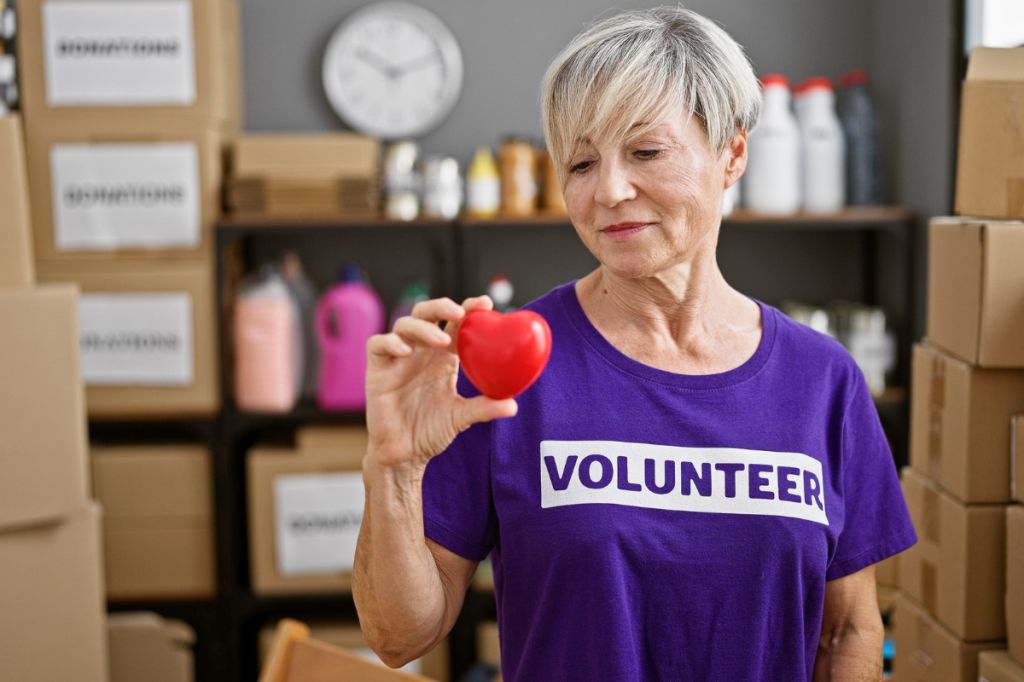
Kindness is deeply rooted in human biology. According to Dr Hamilton, humans carry genes linked to caring for others — some of the oldest genes in the human genome.
These traits helped our ancestors survive. Cooperation, sharing and support increased the chances of living longer and healthier lives.
Modern research shows kindness also has immediate effects on our brains and bodies. Acts of kindness stimulate the release of dopamine and oxytocin — chemicals linked to happiness, connection and emotional wellbeing.
At the same time, kindness reduces activity in the brain’s stress centres.
“Kindness is actually the opposite of stress, physiologically speaking,” Dr Hamilton says. “Most people assume the opposite of stress is peace or calm, but those represent the absence of stress, not the opposite.”
Kindness can even benefit physical health. Studies show kindness may lower blood pressure and support heart health, while the hormone oxytocin helps blood vessels relax and reduces strain on the heart.
There is also evidence that practising kindness may strengthen immune responses and reduce inflammation.

The happiness ripple effect
Kindness rarely stops with one person. It spreads.
Researchers describe a feeling called “elevation” — the warm, uplifted emotion people experience when they witness kindness. That feeling often inspires them to act kindly themselves.
“If each person is kind to three people, one act can reach 27 people,” Dr Hamilton explains.
Over time, these ripples shape social norms. As kindness becomes more visible, people begin to expect it — and practise it more often.
Kindness starts with intention
Life coach Chantal Dempsey believes genuine kindness begins with intention.
“Real kindness isn’t something you do because you should,” she says. “You do it because you genuinely want to do something good for another person.”
True kindness doesn’t require recognition or reward. Often the most meaningful acts are quiet and personal — a message, a thoughtful gesture, a moment of support.
But kindness also needs balance. “Being kind and being ‘nice’ are not the same thing,” Dempsey says. Kindness comes from genuine care, while “niceness” can come from fear of conflict or the need for approval.
“Being kind to others while neglecting yourself is never sustainable,” she adds.

Kindness as a daily practice
Perhaps the most hopeful idea is that kindness is not just a personality trait. It is a practice.
“The distinction is moving from identity to behaviour,” Dr Hamilton explains. Instead of thinking someone is kind, we can think of kindness as something people do.
That shift makes kindness accessible to everyone. Like any habit, it grows stronger with practice.
Over time, these small choices shape the cultures we live in. Empathy increases, conflicts soften and communities become more trusting.
The kindness revolution isn’t dramatic. It grows quietly through everyday actions — a kind word, a moment of patience, a simple gesture of care.
And it begins with one choice: to practise kindness today.