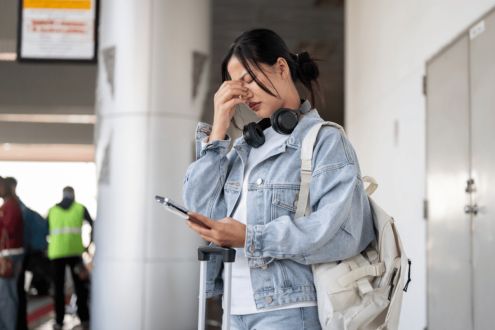
Holidays should reduce stress. So why do they create so much of it?
 Sally Saunders
From airport queues and traffic jams to forgotten chargers and overpacked itineraries, travel stress can creep in before your holiday has even begun. Experts share the simple strategies that can help you stay calmer, travel smarter and actually return home feeling refreshed.
Summer holidays are meant to help us unwind, but for many people, the journey itself can be one of the most stressful parts of travelling. From last-minute packing and flight delays to family disagreements and unrealistic schedules, travel stress can quickly overshadow the excitement of a getaway.
Research from luxury bedding brand Tielle found that 77% of people sleep better at home than on holiday, while growing numbers are choosing slower, more restorative “sleepcations” over action-packed breaks. For most of us, though, the answer isn’t travelling less. It’s travelling better.
“The reality is that travel stress rarely comes from one major disaster,” says Gemma Logan, travel expert at The Stag Company. “It’s usually lots of small pressures that build up. The good news is they’re often easy to reduce.”
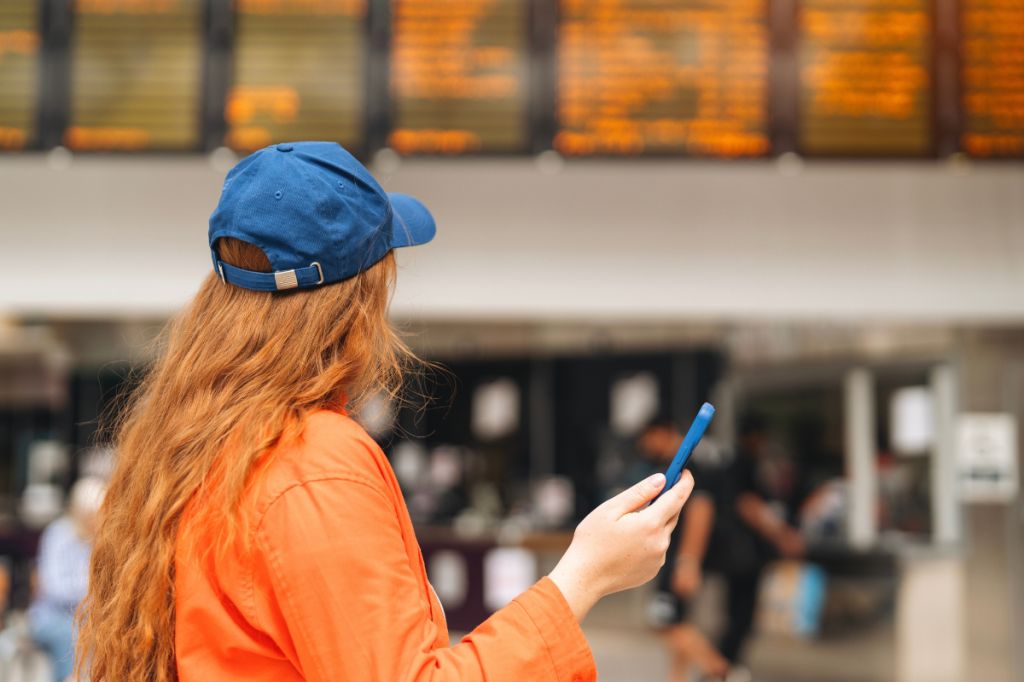
Stop planning for the best-case scenario
“One of the biggest causes of travel stress is optimism,” says Logan. “People assume the roads will be clear, security queues will move quickly and transport will run perfectly. Then when real life happens, panic sets in.”
Instead of planning to the minute, build in small time buffers. Logan’s “20-minute rule” is simple: assume every stage of your journey will take around 20 minutes longer than expected, whether that’s finding parking, collecting a hire car or checking into accommodation.
Those extra minutes can turn delays into minor inconveniences instead of major frustrations.

Prepare earlier
Many of us treat travel preparation as something to squeeze into the night before departure. Jane Bolton, travel expert at tailor-made ski holiday specialist Erna Low, says last-minute preparation is one of the biggest sources of unnecessary stress.
“Taking a bit of time a few days ahead to make sure everything is easy to access means you start your journey feeling organised and far more relaxed.”
She recommends creating a “departure week”. Check passports, insurance and booking confirmations several days ahead, begin packing early and make sure essential documents are easy to access. She also recommends packing gradually using a checklist and packing cubes.
And remember, the journey is part of the holiday too, although all too often we overlook it ahead of the time we finally get to feel the sand on our toes. Take time before you leave to get things to make it as comfortable as possible.
Carry snacks, water, pain relief, a charging cable, power bank and entertainment. An empty reusable water bottle can be filled after airport security. “Hunger, dehydration and tiredness make every inconvenience feel much bigger,” Logan says. Small comforts can make a surprising difference when delays inevitably happen.
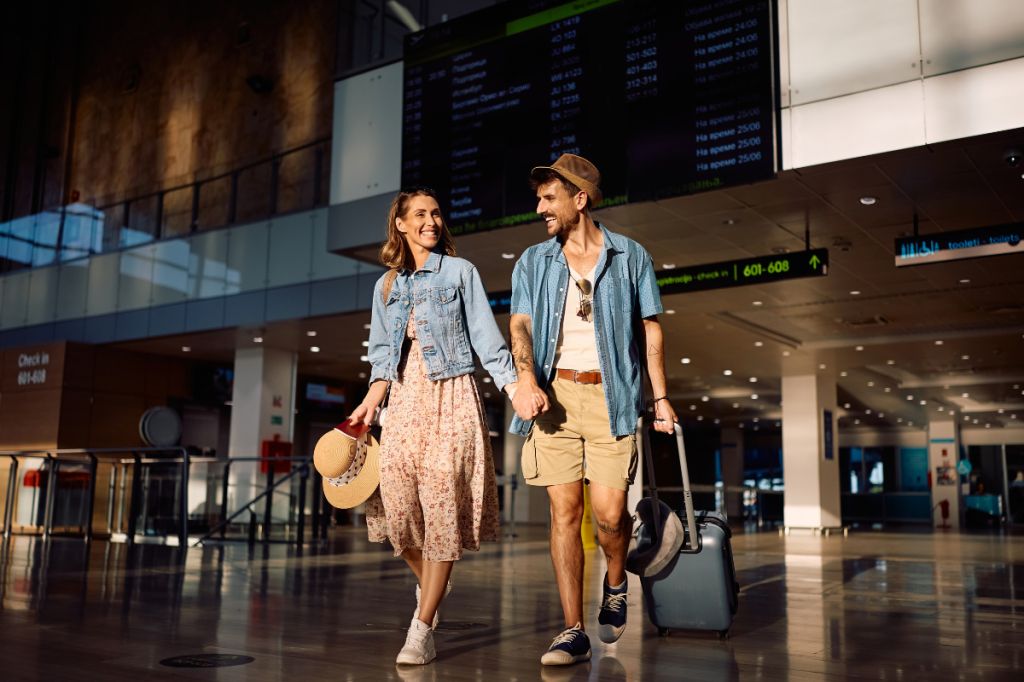
Accept different travel styles
Holiday arguments and stress often begin before anyone leaves home. Some people like arriving hours early; others prefer cutting it fine. Some enjoy browsing duty-free, while others see it as wasted time. “Neither person is wrong,” says Logan. “They’re simply working from different assumptions.”
Discuss expectations beforehand, from timings and budgets to how busy the itinerary should be. It also helps to share responsibilities so one person isn’t left managing everyone’s documents and plans.
Use this time too to make back-up plans you can agree on now, instead of on the fly, as travel feels less stressful when you know your alternatives. “You may never need a backup plan,” Logan says, “but simply having one reduces anxiety.”
Bolton also recommends checking in online, double-checking passenger names and setting reminders to avoid simple mistakes that can become expensive problems.

Slow down and relax
Many of us arrive and immediately launch into a packed schedule. Instead, Logan recommends keeping arrival day simple.
“Have one key activity rather than six. Give yourself time to settle in.” If holidays are meant to restore us, leaving room for spontaneity may be just as important as seeing every attraction.
Logan believes experienced travellers share one mindset. “They don’t expect perfection. Queues will be longer than expected. Trains will be delayed. The sat nav will send you the wrong way. Accepting that reality makes travel feel much lighter.
The most memorable trips are rarely the ones where everything went exactly to plan,” she says. “They’re the ones where travellers adapted and focused on the experience rather than the inconvenience.”
Years later, you’ll remember the unexpected sunset, the conversation over dinner and the place you stumbled across by accident.
You probably won’t remember the airport queue.
Images: Shutterstock