I’d never heard of him before, but Rick Rubin’s book on creativity changed my life
By  Psychologies

Creativity is the key to unlocking your nervous system: Discover how self-expression and creativity boosts mental health, reduces stress and improves your wellbeing
In his Sunday Times bestselling book The Creative Act, record producer Rick Rubin wrote: “Your entire life is a form of self-expression. You exist as a creative being in a creative universe. A singular work of art.” I hadn’t heard of Rubin before I picked up his book during a rare solo evening in London, after attending a business conference. Yet I’d felt his musical impact through his work with artists like LL Cool J, Beastie Boys, Adele, and Linkin Park.
That evening, no one was waiting on me. There was nowhere to be, other than mooching around the bookshop for an hour of nothingness. I didn’t intend to buy anything, but Rubin’s sparse, grey cardboard cover stood out in a sea of attention-grabbing titles. “Oh, you’re going to love this!” the cashier enthused when I took it to the till. “It was life-changing for a musician friend of mine.” I tucked it into my bag and devoured it the next day on the train back home.
The book focused on creativity as our birthright, and living a life filled with curiosity and sensory awakening. Rubin’s take on creativity was the opposite of the beeps and trills surrounding me in that packed train carriage, as people scrolled and tapped on their phones. And it quenched an inner thirst I didn’t know I had.

Creativity is all around you
When you truly open your eyes to the world around you, inspiration is everywhere. Creativity is not just about composing music, painting, or writing. It’s found in the everyday noticing: how the light falls through your window, or how an old woman on the bus looks like a spy from Hollywood’s Golden Era. Creativity is in the connections you make between ideas and things you observe.
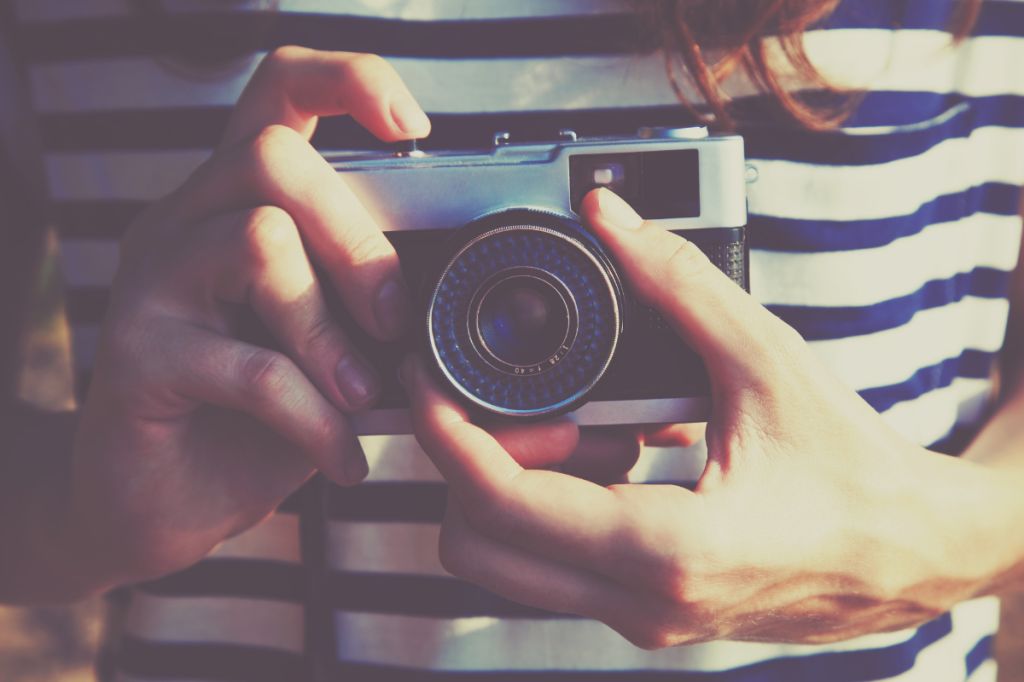
It’s in the urge to turn your anger into an improvised dance while slicing potatoes in the kitchen. It’s deciding to walk past the ducks or swans on your way to work, or those ‘aha!’ moments when you solve a problem. It’s the choice to surround yourself with colours that make your spirit soar, or the photos you can’t help but take.
And if all of this feels alien to you right now, take heart that creativity ebbs and flows. It can appear dormant but is still there, waiting to be reignited.
Creativity and nervous-system regulation
When clients see nervous system coach Chloe Markham, they often arrive feeling overwhelmed, stuck, or burnt out. “They’ve usually tried the ‘right’ things already — yoga, meditation apps, exercise, eating well,” says Markham. “These can help, but they often miss something more human and biological: How do we regulate ourselves?”
Markham teaches polyvagal theory, layering on tools to help people find calmer, more joyful ways of living. “Creativity is one of those tools,” she adds. “It’s not just decorative; it’s regulating.” Many are surprised to learn creativity can be a tool for nervous system health. Most people only associate regulation with calming practices like breathing exercises or meditation.
Research supports this. Studies show that being creative makes us happier by reducing anxiety, depression, and stress. A few years ago, the BBC Arts Great British Creativity Test, partnered with University College London, explored how people use creativity to cope with emotions. It found that creativity served three main functions: to distract from stress, to give people headspace to think and plan, and to build self-esteem and confidence through the challenges creativity brings.
The surprising age of creative dreams
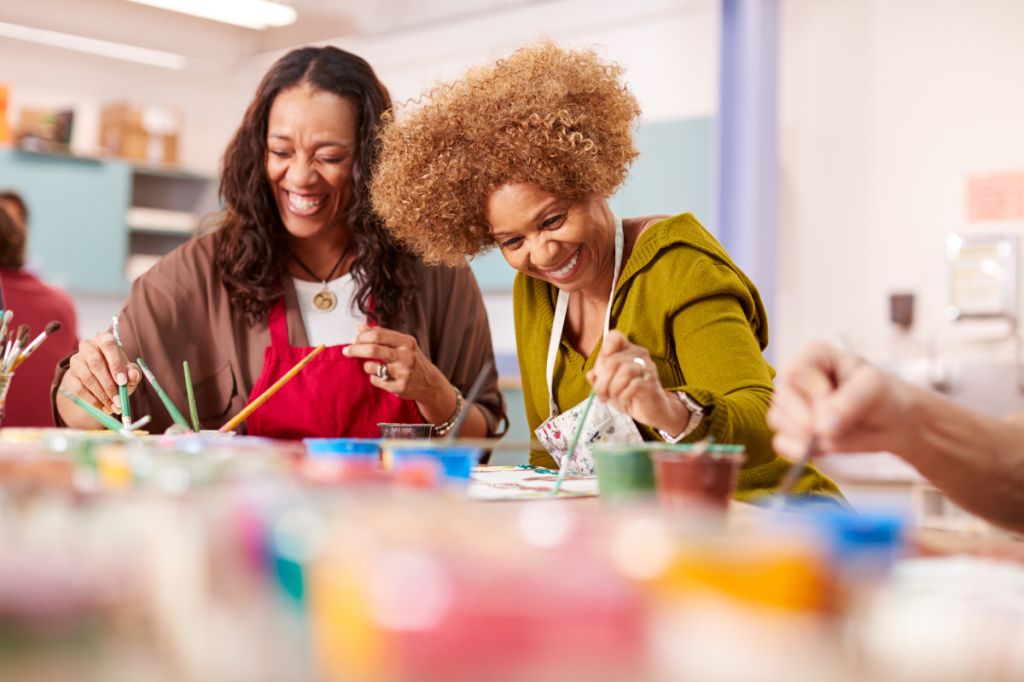
And creativity isn’t just for the young. A survey found that 84% of people wish they were more artistic, and 60% of those over 60 still have ambitions to create something extraordinary — whether it’s painting a masterpiece or writing a novel. Two-thirds of over-60s feel more creative now than in their 30s, with 88% embracing new experiences more than ever.
“Creativity is one of the ways we make sense of being alive,” says Markham. “It’s how we process experiences, express emotions, and relate to the world. Without it, people often feel disconnected from themselves.”
Creativity: Often overlooked in wellness
Despite its obvious benefits, creativity is often left out of wellness discussions. “Wellness, much to my chagrin, has traditionally focused on things like exercise, routines, and optimisation,” says Markham. “Creativity doesn’t always come with clear outcomes, so it gets seen as optional. But unexpressed creativity doesn’t just make us ‘uncreative’—it shows up as anxiety, overwhelm, or ennui.”
Consulting psychologist Dr Ritz Birah sees this disconnect in her therapy practice. People often turn to social media to ease emotional disconnection, but it leaves them feeling depleted. “A woman I worked with spent hours each evening scrolling and responding to posts, but felt she’d done nothing for herself,” Dr Birah says. “Her energy went outward, not inward. People get busy, reactive, and depleted, but not fulfilled, because very little of that energy is turned into meaning or creativity.”
Social media offers stimulation but not real emotional connection, Dr Birah points out. “Our nervous systems evolved for live interaction. Social media compresses this into images, text, and metrics. It feels like connection, but internally it often leaves people feeling unseen.”

Creativity as part of a balanced wellness routine
Markham advocates for a balanced wellness routine. “You first need to understand how your body reacts to nervous system regulation tools because no two systems are identical,” she explains. “Then, I’d map out an ideal wellness pie: 30% nervous system basics (sleep, rest, safety), 25% movement and physical health, 20% connection (relationships and community), 15-20% creativity and self-expression, and the rest on diet and other habits.”
The trick is not to view creativity as another task to check off your to-do list. “It doesn’t need hours a day,” Markham says. “But it needs to be regular, pressure-free. Small, consistent moments of creativity matter far more than big bursts of effort.”
Words: Greta Solomon, Images: Shutterstock