I need to be strong for my family — but inside I feel numb
By  Psychologies
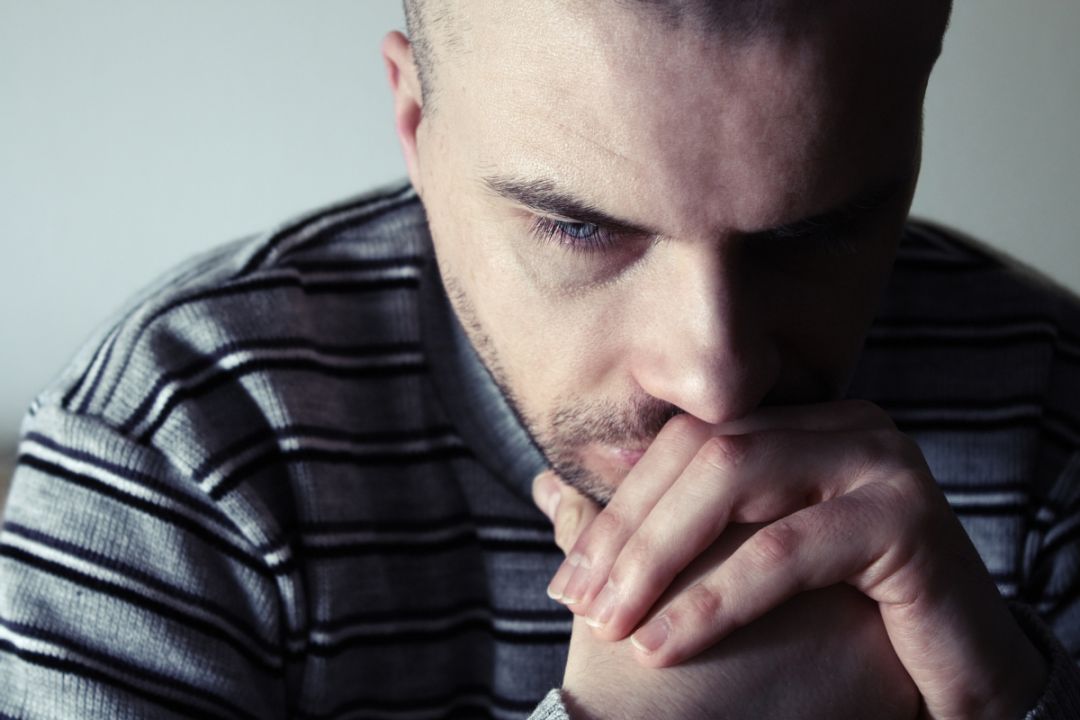
Many people suffering from emotional shutdown feel numb inside while appearing strong. Awareness and presence can restore energy and connection.
There is one word I particularly hate: stoic. That stiff-upper-lip idea that we must carry on regardless, whatever happens.
And this is probably how emotional withdrawal begins for most of us. It rarely looks dramatic. In fact it often feels controlled. Composed. Functional. But underneath that facade, something quieter can be happening: a gradual shutting down of the emotional system — not because someone lacks depth, but because feeling has begun to feel unsafe, overwhelming, or unnecessary.
Counselling Directory member James Eve describes how unacknowledged emotion doesn’t disappear — it relocates. “We might act out in unproductive ways, have psychosomatic symptoms, or feel exhausted,” he says. “What we repress, we always express, albeit unconsciously.”
In other words, shutdown is not the absence of emotion. It is emotion diverted.
The body speaks when words don’t
When feelings aren’t consciously identified, stress still finds a route out.
In our house, when my husband is struggling, shaving is always the first thing to go. In my head, it’s the subtle signal that things are slightly off kilter. Otherwise he might seem okay on the surface, but when we get a few days’ growth, I know there’s something is wrong underneath. Small, almost invisible cues like this can carry enormous meaning — and sometimes, noticing them is the only way to stay connected to the people we love.
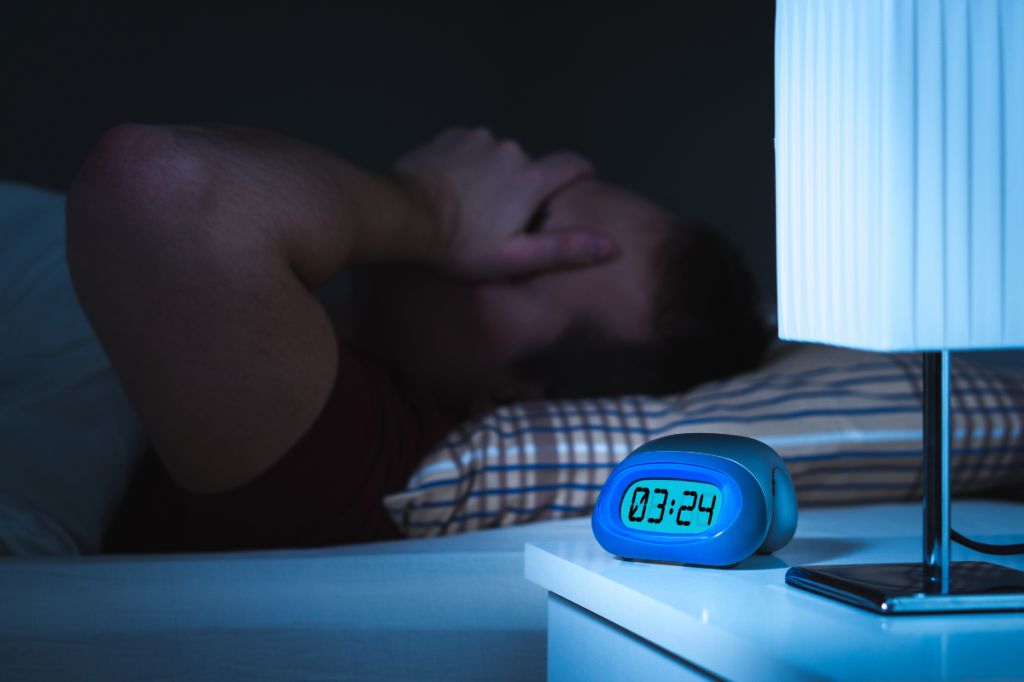
Eve agrees, pointing to insomnia, lapses in self-care, depression and an “unregulated nervous system” as common signs. Sometimes the first shift is subtle — a change in tone with the people closest to us, a shortening of patience, a flatness where warmth used to be.
From a nervous system perspective, withdrawal can function as protection. When something feels overwhelming, the system narrows. It conserves. It dampens. When you feel numb it can begin to feel like control. But control and vitality are not the same thing.
“The emotional world needs attending to like any other part of life,” Eve explains. “To neglect is to cut off a potent life force within us.”
That phrase reframes the issue entirely. Emotional life is not an optional extra. It is energy. Without it, we may continue functioning — working, talking, performing — but something essential feels muted.

Micro-moments of shutdown
Withdrawal doesn’t begin in grand gestures. It begins in small contractions. “Next time you’re feeling irritated with someone on the Tube listening to music without headphones,” Eve suggests, “watch yourself and notice your thoughts and feelings about them. Take that feeling and think how this comes up in your own relationships.”
The irritation itself is not the problem. The question is what happens next. Do we notice it?Or do we immediately push it away?
Shutdown often begins as a refusal to stay with discomfort — even minor discomfort. Over time, that reflex strengthens. Rather than feeling irritation, sadness or anger fully, we bypass them. The nervous system learns that narrowing is safer than engaging.
Safety versus aliveness
Shutdown can be protective. It may once have been necessary. It may still be, in certain moments.
“Who likes to feel vulnerable? Or deal with painful emotions?” Eve says. “Avoidance is sometimes a necessary way of dealing with the complexities of life, including our own selves.”
But what feels safe isn’t always what allows growth. “Would we have landed on the moon if we opted to do what was safe?” asks Eve.
Emotional shutdown offers short-term relief. In the long term, it can reduce aliveness. When anger, sadness and vulnerability are dulled, so too are joy, excitement and connection. The system cannot selectively numb.

Mistaking numbness for strength
There can be a quiet pride in not being affected. In staying steady. In appearing unshakeable.
But steadiness built on suppression is fragile. It requires constant effort.
“It is exposure and it’s an act of courage,” Eve says, speaking of emotional awareness. “It takes courage to say ‘I feel depressed’ or ‘I feel sad’ and to know these exist for everyone. You are part of the human race, of which feelings and emotions are a part of.”
Strength, in this framing, is not the absence of feeling. It is the capacity to stay present with it.
No one, Eve reminds us, “comes with an instruction manual, but with our awareness, we can create one.”
Images: Shutterstock