Can I make money from a hobby? Why I had to start before I was ready
Ever dreamed of making money out of your creative hobby? Anna Behrmann didn’t know where to start, so she sought help from the experts
By  Psychologies
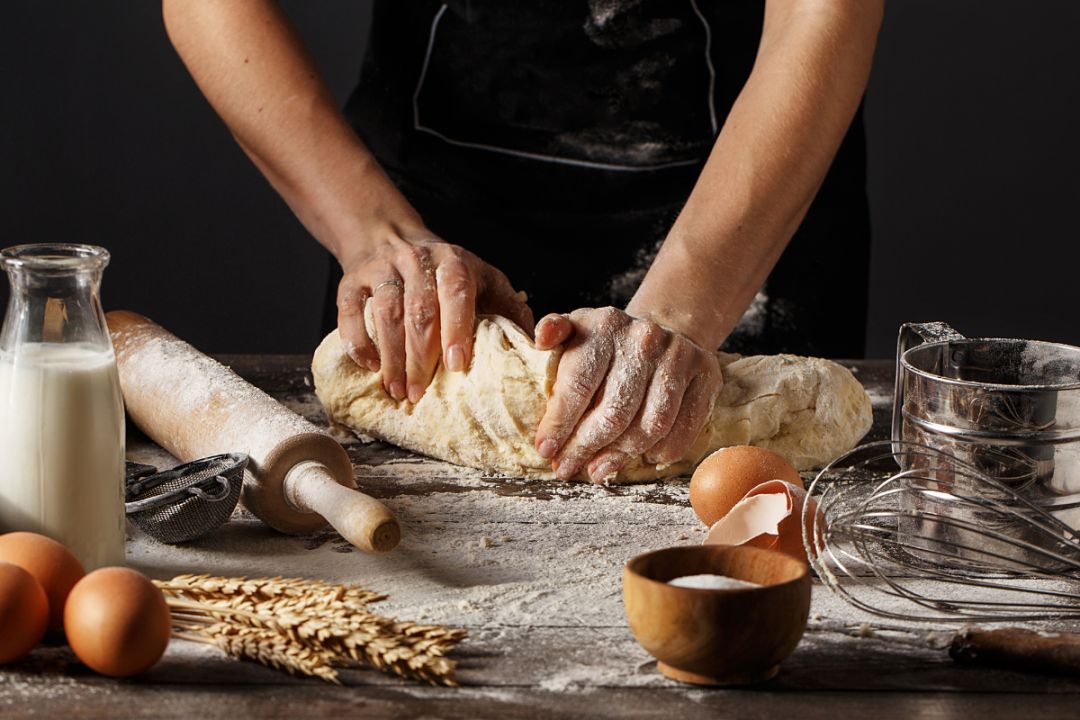
How many of us have thought about turning our hobby into a side hustle that makes a little money and may even turn into a full-time job?
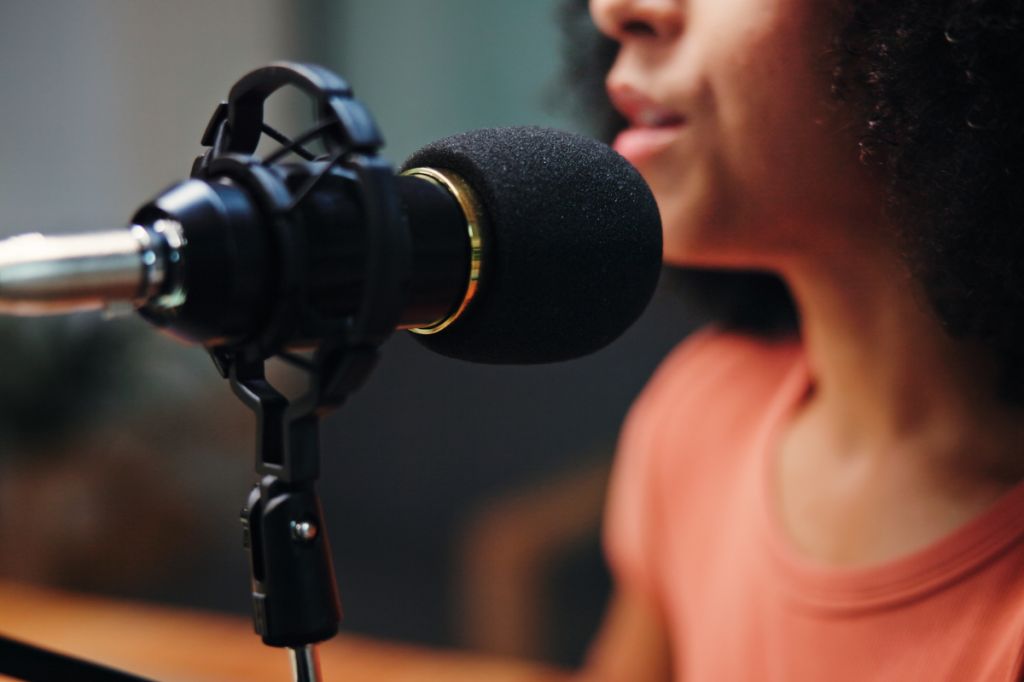
I had been turning these things over in my mind for some time, watching others with the courage and determination go for it. How do you make money from a hobby? I wanted to launch a blog and podcast about faith and spirituality in the modern world. This was partly because I wanted to interview people and learn more about their religion – or lack of it. But it was also because I longed to put my own stamp on a creative project. And, who knew, maybe it would open up new doors in my career. I had even come up with a name, but I had been fretting over theoretical details and had taken zero steps towards making it a reality.
I went to see Philiy Page, a mentor and author of The Business Of Creativity (Balboa Press, £11.95). She was curious about what had been holding me back from launching my enterprise.
Stop aiming for perfection
I told her that I had felt as though I needed to spend months preparing and strategising before ‘unveiling’ my project. The truth was, I had held back from doing this because I worried that it would not be of a high enough standard. I felt that I had to produce something polished and professional, and this kept putting me off.

Philiy told me that I simply needed to get going. I didn’t need to share my blog with friends and family immediately, but I should start working on it. She also pointed out that my product didn’t need to be perfect. If I was honest with my readers and told them I was just starting out, that these were my personal thoughts and writing, they would forgive a little background noise in the podcast.
‘Remember to be brave and bold. Take yourself out of your comfort zone in a considered manner. Take steps forward, even if you don’t feel like you have everything in place yet.’
She set me homework – to write three separate blog posts, record a short podcast, and plot out a ‘content calendar’ of main topics for future weeks – for example, culture, spirituality, mindfulness and philosophy.
As I finally got to work, I spoke to two inspiring women with very different side hustles. One had just started selling beautifully decorated biscuits; the other had been selling her jewellery for years. I was struck that they had, fundamentally, the same advice for me: not to worry about the details, especially if that was stopping me from getting started; just improve as I went along.
Taking my first steps
For my first blog post, I wrote about why I was interested in faith and belief, and how my spirituality ebbed and flowed. So many of us were grappling with existential questions, such as whether there was an afterlife, or if there was anything else out there.
I felt as though I was writing something quite private, and I did not initially promote it on social media, but a few strangers still read it. One reader wrote a thoughtful, slightly argumentative comment. I was really pleased, because it showed that, by putting something intensely personal out there, I had struck a chord.
I wrote a couple more posts before my next session with Philiy, as well as recording a quick, unpolished podcast. It felt like an enormous achievement not only to have started, but to have believed in my project enough to continue. When I saw Philiy again, she told me that, when I felt ready, I should take a deep breath and send a link to 20 people who might be interested – they could be my earliest champions and form a community. I could take my time, she said, as long as I kept going.

A very good place to start
So I had begun. I knew I still had a lot of technical things to learn, but there were plenty of online resources offering advice for anyone starting a creative business. Most of all, though, I felt proud that I had set off with my wobbly, imperfect steps towards creating something I really cared about. I didn’t yet have the right colour branding scheme, and my posts might have been a little rambling, but as long as I had the faith to keep going in the same direction, I would keep learning.
In the end, I realised that starting had mattered far more than strategising. The momentum, however small, had quietened the perfectionism that once paralysed me. What had felt overwhelming in theory became manageable in practice. Each post, each recording, each tentative share built a little more confidence.
The side hustle hadn’t transformed into a business overnight, and it hadn’t needed to. It had already given me something more immediate: proof that I could move from idea to action. And that, perhaps, was the real return on investment — not just the possibility of future income, but the reminder that creative courage grows only when it’s exercised.
Images: Getty, Shutterstock