Is your friendship toxic?
Do you have a friend who makes you feel bad about yourself? Toxic relationships can happen to anyone – and at any age. Charlotte Haigh seeks expert help
By  Psychologies
Rules of engagement
Many of us have been caught up in a toxic friendship at some point. For me, it happened at school. The nastiness centred around my appearance, with the classmate in question – let’s call her Nicole* – continually feeding me the message that I was ugly. Tall for my age, with a brace and an awkward haircut, I suppose I was an easy target. Nicole was pretty so, when she kept informing me that none of the boys would ever fancy me, and that everyone thought I was unattractive, I believed her.
It’s true that teenage girls aren’t noted for their kindness, and most of us suffered some teasing and sniping at school. The difference with Nicole’s behaviour was that it was insidious, and consistent. I understand now that something in me must have made me vulnerable – a less sensitive girl may have brushed it off – and, of course, Nicole must have had some issues of her own but, according to Emma Gleadhill, educational speaker and trainer, it’s not always insecurity that causes mean-girl behaviour.
‘It can also come from a person’s inability to deal with frustration,’ she says. ‘A toxic friend might feel unable to share decision-making or handle another person’s differences.’
I shook myself free of that friendship in my later teens but, by then, my sense of self had been warped and, in my 20s, I suffered from body dysmorphic disorder. Therapy, adult friendships and maturing helped me cope with the damage, but I had some unhappy years as a result of it, so I was pleased to hear that my former school has brought in Gleadhill to educate girls about toxic friendships and how to head them off.
But, as Gleadhill points out, negative relationships are not exclusive to teenage girls. ‘They certainly affect adults; and it’s not just a female issue – boys and men are involved in these types of relationships, too,’ she says. The good news is that positive, practical steps can help you find your way out of a toxic bond – and ensure you don’t end up falling into a similar friendship pattern in the future.
So, in case I meet another Nicole, or if you suspect one of your relationships is not quite as supportive as it should be, I sought advice from Gleadhill on how to deal with it, and move on.
See it for what it is
A poisonous element in a friendship may not always be obvious, so the first step is to identify it. Signs may include feeling anxious when you are with your friend, as though you’re walking on eggshells and trying to keep her happy, even at a cost to you.
This may mean you end up doing things that you don’t want to do: for example, you always go to places that she chooses, even if you dislike them or, if you’ve fallen into this pattern with a workmate, she may push you into taking on some of her tasks.
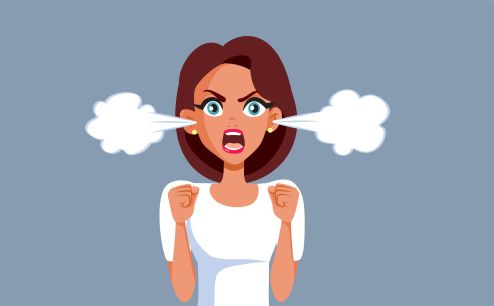
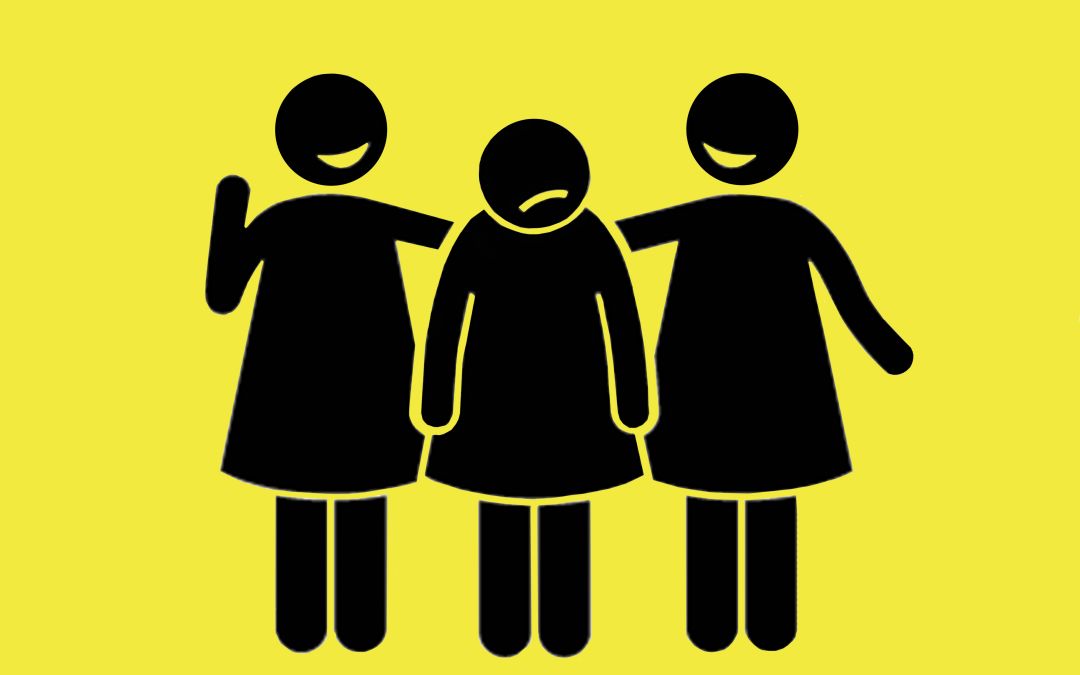
If you complain about your friend’s behaviour, she might belittle your feelings, say you’re imagining it, or fly into a rage. Or she might punish you with coldness or exclusion from social situations. These are ways of controlling you so you go along with what she wants. You are likely to end up feeling you can’t really be yourself around her. ‘A toxic friendship is basically one in which the element of balance has gone,’ says Gleadhill. ‘One person’s view has become dominant and she can’t tolerate anything other than compliance. That puts her friend into an appeasing pattern.’
As with any emotionally abusive relationship, the friendship will have positives, too – and that’s one of the reasons it’s so easy to get hooked in. My teenage toxic friendship was great fun at times and I’m sure that Nicole and I genuinely liked each other, at least to begin with.
‘The behaviour may have developed quite gradually and then become embedded,’ says Gleadhill. ‘Nobody plans to have a toxic relationship; it will have started on a positive.’ Even among your friend’s nastiest put-downs, the chances are there are still moments of laughter and camaraderie. But, if she consistently makes you feel bad about yourself or tries to control you, you’re in a toxic friendship.
Tune in and speak out
‘Get in touch with the feelings provoked by your friend’s behaviour and note any disquiet,’ says Gleadhill. ‘This can help you understand what’s really going on and motivate you to take action.’
Take time to sit with your emotions; you could even jot them down. Now, prepare to broach the subject of your friend’s behaviour with her. ‘This is tough, but it’s important to make a stand, rather than simply walk away, as she’s likely to carry her behaviour into other relationships. It can also take the heat out of your sense of persecution, and put you in a more empowered position,’ says Gleadhill.
‘Tell your friend you want to talk to her and provide one or two concrete examples of what she has said or done and how you felt. Examples will help her understand, but don’t give her a long list or she’s likely to get defensive. Let your friend know that you won’t allow her to laugh at your feelings or minimise them. Explain that she needs to stop behaving like that if your friendship is going to work.’
She may apologise and even be genuinely remorseful but, if she is dismissive, remind her that this is exactly the kind of behaviour you’re talking about.
If at first you don’t succeed
Once you’ve had the conversation with your friend, it’s important to set new boundaries. If her behaviour is deeply ingrained, it might take a while to shift, so be prepared to have to tackle her again.
‘Decide how many chances you’re going to give her before you walk away from the friendship,’ says Gleadhill. ‘Her behaviour isn’t your responsibility. The longer a toxic friendship continues, the more harm it can do to your self-worth so, if you see no positive change, don’t feel you have to keep the relationship going. If she becomes verbally abusive or threatens you in any way, that should be an immediate deal-breaker.’
Trust in you
A toxic friendship can leave a lot of damage in its wake, so you’ll have to come to terms with that. ‘Emotional abuse can mess with your values and tune you into destructive patterns, and you are vulnerable to repeating these, either with a friend or romantic partner,’ says Gleadhill. ‘Learn to keep listening to your feelings and to trust what they’re telling you.’
Nurturing other relationships can help take the focus off the unhealthy friendship and also restore your confidence, so spend time with people who make you feel good about yourself. And, while this kind of experience can be difficult, it’s also an opportunity to learn and grow. My early experience gave me the ability to detect a mean streak from a mile away – I believe it’s the reason I have such warm, wonderful and reliable friendships in adulthood.
I’m grateful for them every day.
For more information, visit emmagleadhill.com
Photograph: iStock