From Fridge Therapy to Food Freedom: A Journey Through Emotional Eating (Part 1)
We don’t talk enough about how intertwined our mental health, emotional well-being, and eating habits really are. Yet, many of us are caught in the loop, dieting, binging, shame, repeat, wondering why “willpower” keeps letting us down. Here’s the truth: emotional eating isn’t about food, it’s about feelings.

In my recent Mindful Poetic Stories Podcast; My Fridge, My Friend, Part 1 listen here through the power of a poetic story I take you back to a time when my fridge wasn’t just a kitchen appliance, it felt like my therapist, my secret friend, and my comforter when life felt too heavy.
Sounds ridiculous? Maybe. But if you’ve ever found yourself eating out of stress, boredom, or heartbreak, you’ll get it. You know the pull of the fridge light at 9pm when no one’s watching. That late night trip not for nourishment, but for numbing.

This is the story of how I finally broke free from emotional eating, my use of food as a comforter, and years of shame around my body, and how I learned that self-love, not willpower, was the real solution I needed all along.
Let’s get this straight: emotional eating isn’t a weakness, and it’s not about being greedy or lacking discipline or willpower. It’s about trying to soothe an emotion, often one you don’t know how to name or handle. Sometimes that you are not even aware of yet.
I now say, you’re not weak when you binge eat, you’re weary.

For years, I beat myself up for not being able to “just stop” overeating. I wasn’t hungry, I knew that, but food gave me something nothing else could at the time: a momentary break from the pain, a type of comforting escape.
But here’s the kicker, after the binge came the shame, and so the cycle of emotional eating continued. Eat. Shame. Guilt. Punishment. Start a new diet. Fail again. Repeat.
Sound familiar?
I was a self-proclaimed chocoholic. You name it, biscuits, cake, ice cream, I was in — and not in moderation either. I couldn’t bake as I would overeat my baked goods. If I opened a box of chocolates, I couldn’t stop at one. I would finish the whole top layer and then sit in shame, feeling physically sick.
The truth? I had no stop button, no willpower, and perhaps I was addicted; I certainly didn’t know what mindful eating was back then.

But now I also realise that sugar addiction is real. Sugar stimulates the brain’s reward system just like drugs or alcohol, and while society might joke about being “addicted to chocolate,” there’s nothing funny about how powerless it can make you feel. I believe it’s also important to be aware that the food industry is aware of the secret formula to get us hooked, which is equal amounts of sugar and fat, and with that we struggle to stop consuming their product.
But on addiction, Dr Vincent Felitti summed it up when he said, “It’s hard to get enough of something that almost works.”
That quote hit me like a brick, because food almost worked, it almost made me feel better. But then it didn’t, and I was left with both the emotional pain and the guilt of overeating.
From the age of 16 I tried it all: slimming clubs, crash diets, detox teas, calorie-counting apps, the grapefruit diet, the cabbage soup diet… You name it, I did it.
Did I lose weight? Sure.
Did I keep it off? Never.
Back then the diet culture didn’t really teach us how to heal our relationship with food; it just told us to eat less, weigh less, and lose a couple of pounds every week. It focused on numbers, but not why we overeat, not the pain, not the emotional wounds underneath.

And so, when I “failed” at these diets, I didn’t blame the system, I blamed myself. I thought I was broken .
Well, now I know I wasn’t. I am human, an emotionally highly sensitive being, not taught to feel my emotions, but to bury and suppress them instead.
In the My Fridge My Friend podcast episode, I share how in my 20’s I eventually turned to slimming pills and they worked. My appetite disappeared, my energy skyrocketed, and I started losing weight fast. Weight loss was so much easier.
It felt like a miracle cure!
But was it?
When I stopped taking them, everything came back, the cravings, the weight, the self-loathing. Due to shame, I never told a soul, not until recently.

Today, slimming jabs are everywhere, and everyone is talking about them, seems to be taking them, and saying how they are a miracle.
While I know they can be helpful in some cases, especially for people with serious health conditions due to obesity, I don’t believe they can be a long-term fix if you don’t address the root cause of overeating or our unhealthy lifestyles.
In fact, they were originally designed to help patients with diabetic problems, but when those patients were all losing weight, they re-marketed these injections as slimming jabs.
However, I know from personal experience that no jab, no quick fix, can teach you how to love yourself. No pill or injection can make you feel whole.
Not only that, but there can also be detrimental side effects, both in the short term and the long term.
I also believe it is more important than ever to become aware of the use of the word “miracle” when labelling these types of “quick fixes”, when we are yet to realise the long-term impact and side effects of them, and when they are making a lot of people very rich, generating billions of dollars in an ever-growing industry.
As Wendell Berry said, “people are fed by the food industry which pays no attention to health and treated by a health system which pays no attention to food”.
So What Actually Helped Me Heal?
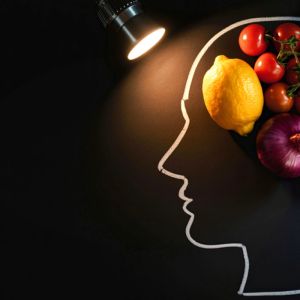
The turning point came when I started coaching and studying neuroscience, and when I decided to take ownership of my own health and wellbeing — in fact, of my whole life. Most of all, I learned to appreciate and respect my body as a whole, for its complexity and the miracle it is, and how all its parts work together for my greater good and how it also adapts to the environment I put it into.
I learned about the brain’s pathways, childhood programming, and emotional regulation.
I realised that there could be many different elements to my toxic relationship with food, and one of them could be that it perhaps had become a substitute for love and attention. As children, if we are upset, we are often comforted with food, and then over time, our brain can learn to associate “feeling sad” or needing attention with “being fed.”
Neuroscience has proven that in our brain, “Neurons that fire together, wire together.”
That was my ‘aha’ moment. Perhaps my lack of willpower wasn’t a personal flaw; it could be a well-established brain pattern, but now with neuroscience we know that just like it was wired in, it could be rewired.
I knew I could take ownership of my own life and of my toxic relationships with my fridge, and my self-sabotaging relationship with myself.
That’s when I started the self-love journey.
Here’s what I believe now: You don’t change your body to love it. You love your body, and then you change your relationship with it.
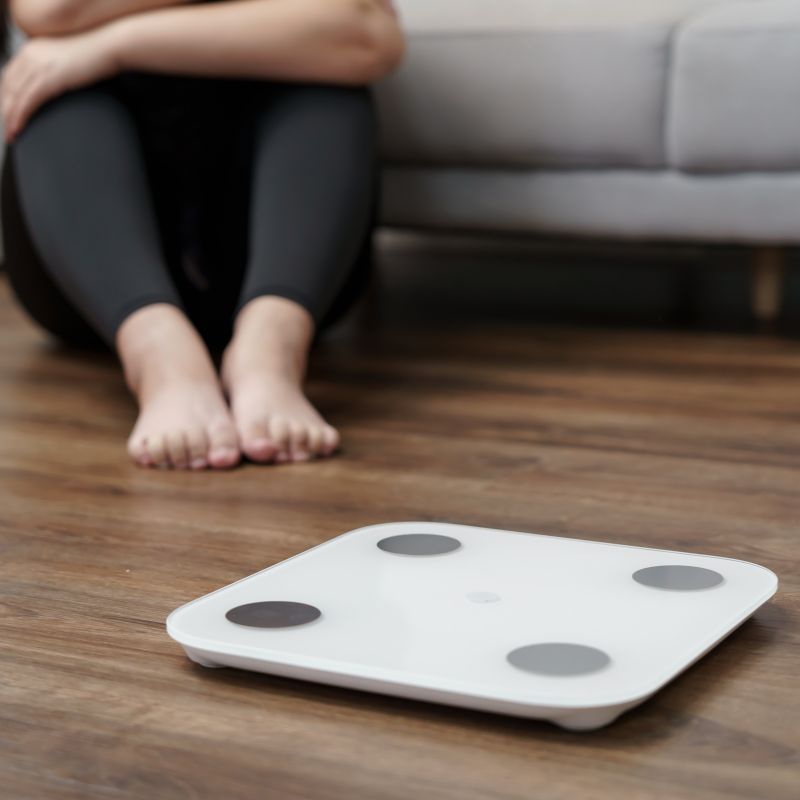
Our value and worth are not measured by a number on a scale.
Loving yourself doesn’t mean ignoring your health; it means respecting and appreciating your body enough to nourish it, move it, and stop punishing it.
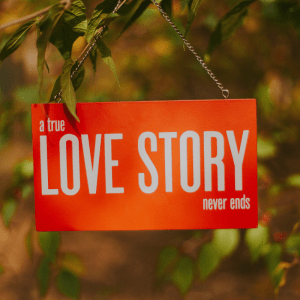
This is the quote I framed in my kitchen
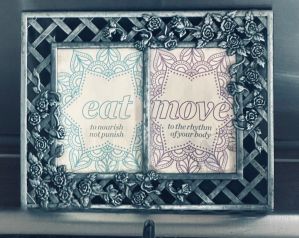
You can move from self-neglect to self-care, and self-sabotage to self-love.
I stopped working on my body and started working with it. I now choose exercise not to burn calories but to connect with my body. I choose healthy food because it fuels me, not because I’m “being good.”
I love these motivational, inspiring quotes:
“Happier people make healthier choices.”
“Self-love is a revolutionary act.”
Tips for Breaking Free from Emotional Eating
If you’re stuck in the food-shame cycle, here are a few things that helped me:
- Find Your “Why”; Write down all the reasons you want to be healthy, not to be thin, but to be free, strong, and confident.
- Start Small; Tiny actions matter. Drink more water, go for a walk, cook one homemade meal. Small shifts regularly consistently lead to big changes in the long term.
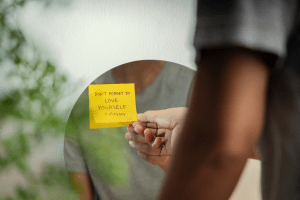
- Talk Kindly to Yourself; The way you speak to yourself matters. Start your day by looking in the mirror and saying something loving, even if it feels awkward at first. When you feel a craving, put your hand on your heart, breathe, pause and ask yourself a question that will help you to reconnect you to your body. Like, for example, what can I do to love and respect my body right now, or what do I consciously choose right now? Learn to practice journalling at those times when you feel cravings. This could help you learn more about yourself and help you connect with your why.
The fridge doesn’t hold the answers. The diets don’t either. But your self-awareness, embracing all your emotions, and your self-love practice can help you enhance your life and make healthier choices.
Learning to feel good about yourself from the inside out.
That’s where healing lives.
The journey takes time, but it’s worth every moment, because when you finally break free from food dependency, what you gain is freedom from the food noise in your mind, more peace, and personal power.
Get used to asking yourself:
How can I show my body respect, appreciation and love, in this moment?
Your journey starts there.
To find out my more indepth experience around this, tune in to the Mindful Poetic Stories Podcast episodes, available on all Podcast Platforms; My Fridge, My Friend and My Fridge, The Bigger Picture

For more on the self-welcoming self-love process, listen to all Mindful Poetic Stories Podcast episodes here
Remember, YOU MATTER! Look after You.
Self-care for self-preservation
Read part two here: Cravings vs. Hunger: Healing Your Emotional Relationship With Food (Part 2)

Patricia Ahern
Mental Fitness and Self Love Coach
I have moved from Self Sabotage and Neglect to Self Love, reconnecting with my true self and it has transformed my life. So now over to you; I ask you, are you living your life story with old beliefs and thoughts causing negative habits that are creating tension, anxiety, inner bitter judgment, for you and your relationships. What is the price you are paying for continuing in this loop? Just for a moment…. imagine a path of ease and flow, with a sense of calm in your life, where you are in control of your emotions and emotional responses, you’re resourceful, you’re positive, solution focused, with complete clarity for action, with a positive mindset and attitude, mentally fit and resilient and prepared for whatever life throws at you. How do you feel now? I love helping women move from self-sabotage and neglect to self love. Where you can rewrite your story, growing and nurturing your creativity to live your best life, growing from a deeper sense of self-love within, where you can step out of the shadows and into the light of your personal power. Are you ready to take positive action and ownership of your life and start writing your own story? If you are ready, I am ready with love to help facilitate this for you. Get in touch for a free 1-hour completely free (no obligation) session with me, where you can find out more about Mental Fitness and Positive Intelligence and how I can help you achieve that ease and flow path, where you are the love of your life. About me and my self love journey; I love creativity, I love writing, I love curiosity, wonder and awe. I love my inner child, who reminds me how wonderful life is, I love my wise elder self, who spurs me on into my dream future From my journey I now believe that growing Self Love is the bedrock of better well-being, better performance and better relationships. We would not sabotage someone we truly loved, and we would not self sabotage if we truly loved ourselves.